
Context
The Strait of Hormuz is a critical waterway for global oil shipments, and recent statements from both U.S. and Iranian officials highlight the ongoing geopolitical tensions in the region. S1S2
Key points
- Marco Rubio stated that the U.S. rejects any claims by nations over the Strait of Hormuz. S1
- Iran's Revolutionary Guard has issued warnings against unauthorized crossings in the Strait of Hormuz. S1
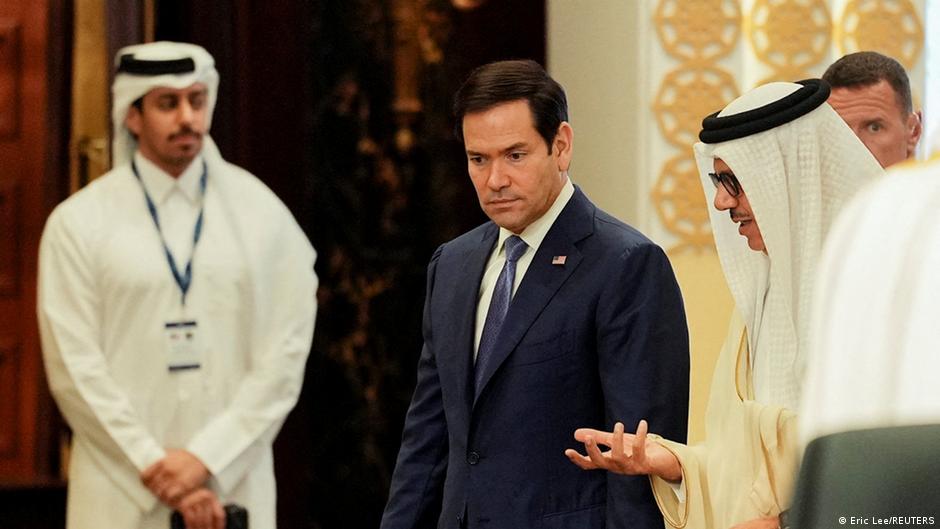
- The U.S. is engaging with Gulf leaders amid rising tensions in the region. S2
- Iran's Revolutionary Guard has specifically rejected proposals for alternative shipping routes in the Strait. S2
- The Strait of Hormuz is a vital passage for oil shipments, making it a focal point for international maritime security. S1S2
- The U.S. diplomatic efforts aim to strengthen alliances with Gulf Cooperation Council (GCC) leaders. S2
- Iran's military stance reflects its broader strategy to assert control over regional waterways. S1
- The situation in the Strait of Hormuz could impact global oil prices and shipping routes. S1S2
Why it matters
- Control over the Strait of Hormuz is crucial for global energy security, as a significant portion of the world's oil passes through this waterway. S1S2
- Increased military presence and warnings from both sides could lead to potential conflicts, affecting international trade. S1
- The U.S. stance may influence its relationships with Gulf nations and shape future diplomatic efforts in the region. S2
What to watch
Related live story