
Context
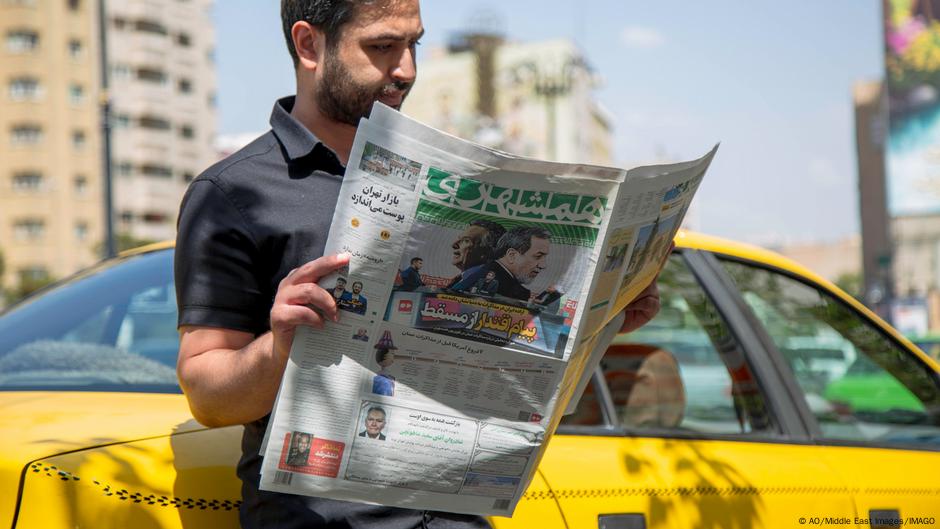
The Iranian government has long maintained strict control over the media, but recent developments have intensified these measures, creating a more hostile environment for journalists. S1S2
Key points
- Authorities are tightening the already repressive reporting environment in Iran. S1S2
- Journalists face increased risks as the truth is seen as a threat to national security. S1S2
- The crackdown has led to a significant information vacuum within the country. S1S2
- Many journalists are struggling to operate under these heightened restrictions. S1S2
- The government's actions reflect a broader trend of suppressing dissent and controlling narratives. S1S2
- International observers are concerned about the implications for freedom of expression in Iran. S1S2
- The situation poses challenges for foreign media trying to report on events in Iran. S1S2
- The crackdown may lead to increased self-censorship among journalists and media outlets. S1S2
Why it matters
- The repression of the press undermines democratic principles and human rights. S1S2
- An information vacuum can hinder public awareness and accountability regarding government actions. S1S2
- The situation may exacerbate tensions between the Iranian government and the international community. S1S2
What to watch
- Monitor potential responses from international human rights organizations regarding press freedom in Iran. S1S2
- Watch for any changes in the Iranian government's approach to media as the conflict evolves. S1S2
- Observe how journalists adapt to the increasingly hostile reporting environment in Iran. S1S2
Related live story