
Context
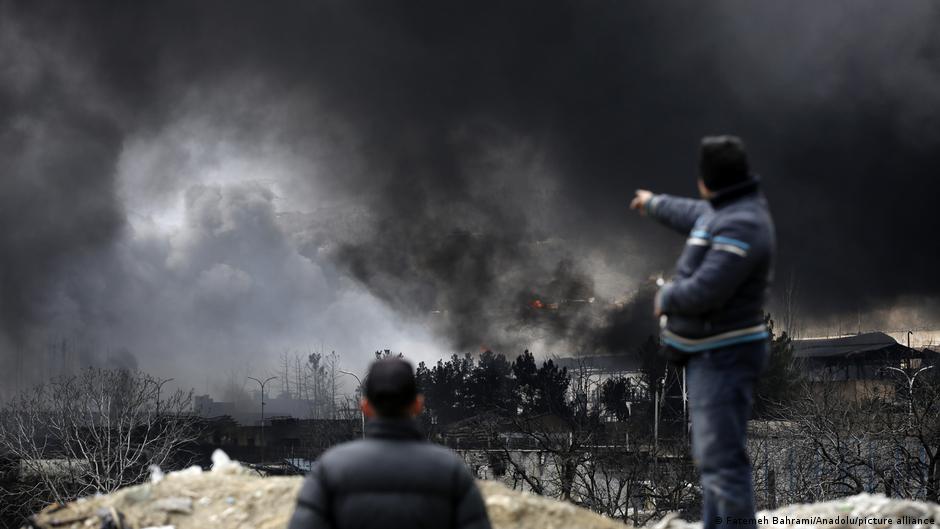
The conflict in the Middle East has escalated, leading to significant damage to oil facilities, which poses risks to ecosystems and public health. S1S2
Key points
- Bombing of oil refineries and infrastructure is expected to cause long-term environmental damage. S1S2
- The health of local populations could be severely impacted due to pollution from damaged oil facilities. S1
- Water and food supplies in the region are at risk due to environmental degradation from the conflict. S1
- Experts indicate that monitoring environmental disasters has become increasingly challenging amid the ongoing war. S2
- The Shahran oil depot and Shahr-e fuel depot have been specifically mentioned as sites of concern. S2
- The repercussions of the conflict extend beyond immediate destruction, affecting ecosystems and biodiversity. S1
- There is a growing concern about the cumulative effects of multiple environmental disasters in the region. S2
- The situation highlights the intersection of military conflict and environmental health issues. S1S2
Why it matters
- Understanding the environmental fallout is crucial for future recovery and rebuilding efforts in the region. S1
- The health implications for millions of people could lead to long-term public health crises. S1
- The conflict's impact on natural resources could exacerbate existing humanitarian issues. S2
What to watch
Related live story