
Context
The situation in the Strait of Hormuz has escalated tensions, leading to a surge in oil prices and affecting gas prices in the U.S. S1
Key points
- Global oil prices have risen above $120 per barrel due to the conflict. S1
- Average gas prices in the U.S. have reached a four-year high amid the crisis. S1
- President Trump has urged Iran to abandon its nuclear ambitions in light of rising tensions. S1
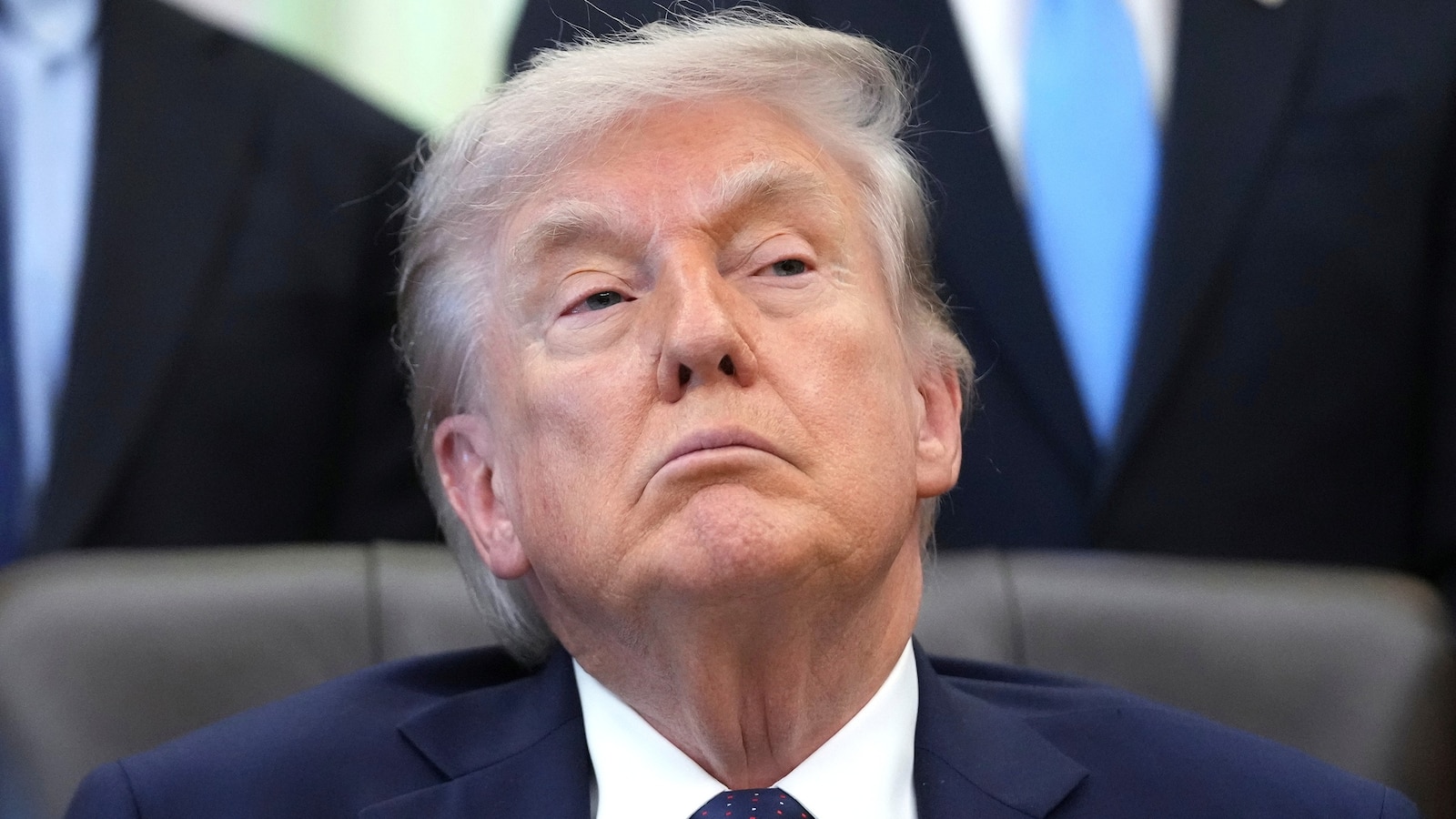
- Trump met with oil and gas executives to discuss the impact of the Iran war on energy prices. S2
- The ongoing conflict is causing concern among energy stakeholders regarding future supply and prices. S2
- The Strait of Hormuz is a critical chokepoint for global oil shipments, heightening geopolitical risks. S1
- Rising oil prices could have broader economic implications, affecting inflation and consumer spending. S1S2
- The situation remains fluid, with potential for further escalation in the region. S1
Why it matters
- High oil prices can lead to increased costs for consumers and businesses, impacting the overall economy. S1
- The geopolitical stability of the Middle East is crucial for global energy security, affecting markets worldwide. S1
- U.S. energy policy may shift in response to the ongoing conflict and its economic repercussions. S2
What to watch
Related live story