
Context
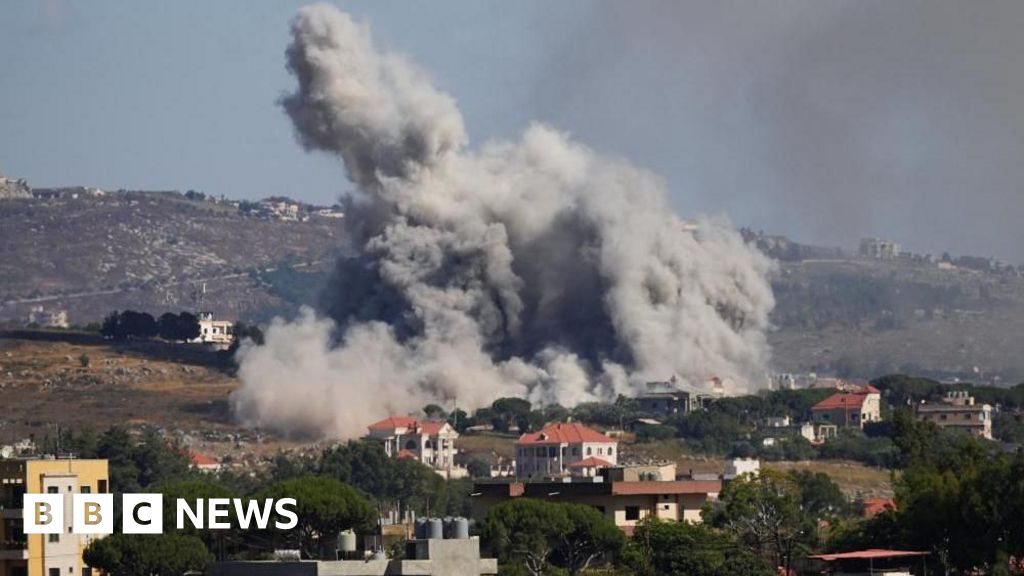
The ceasefire comes after Israeli air strikes resulted in significant casualties, with reports indicating that 47 people were killed in Lebanon. This escalation of violence raised concerns about the stability of the region and the ongoing conflict involving the US and Iran. S1S2
Key points
- Israeli air strikes in southern Lebanon led to the deaths of 47 people, as reported by Lebanon's government. S1
- The ceasefire agreement was facilitated by US officials amid rising tensions in the region. S1S3
- The ceasefire follows a 24-hour period of intense violence that included the deaths of four Israeli Defense Forces (IDF) soldiers. S2S3
- A scheduled US-Iran meeting in Switzerland to discuss a peace deal was canceled due to the clashes in Lebanon. S2
- The renewed ceasefire is seen as fragile and poses challenges for the broader peace efforts in the region. S2
- The situation in southern Lebanon has been described as a significant challenge to the new agreement between the US and Iran. S2
- Israeli officials have vowed retribution following the deaths of their soldiers, indicating potential future escalations. S3
- The ceasefire agreement is crucial for preventing further escalation of violence in an already volatile region. S1S2
Why it matters
- The ceasefire is essential for stabilizing southern Lebanon and preventing further humanitarian crises. S1
- It reflects the ongoing complexities of US-Iran relations and their impact on regional conflicts. S2
- The agreement may influence future diplomatic efforts aimed at reducing tensions in the Middle East. S2
What to watch
Related live story