
Context
The strikes occurred despite an ongoing ceasefire, raising concerns about the stability of the situation in Lebanon. S1S2
Key points
- The Lebanese health ministry reported that the strikes killed 14 individuals, including two women and two children. S1S2
- In addition to the fatalities, 37 people were reported injured due to the airstrikes. S1S2
- The Israeli Defense Forces issued evacuation warnings for several villages in southern Lebanon prior to the strikes. S2
- The airstrikes have drawn attention to the fragile ceasefire currently in place. S1S2
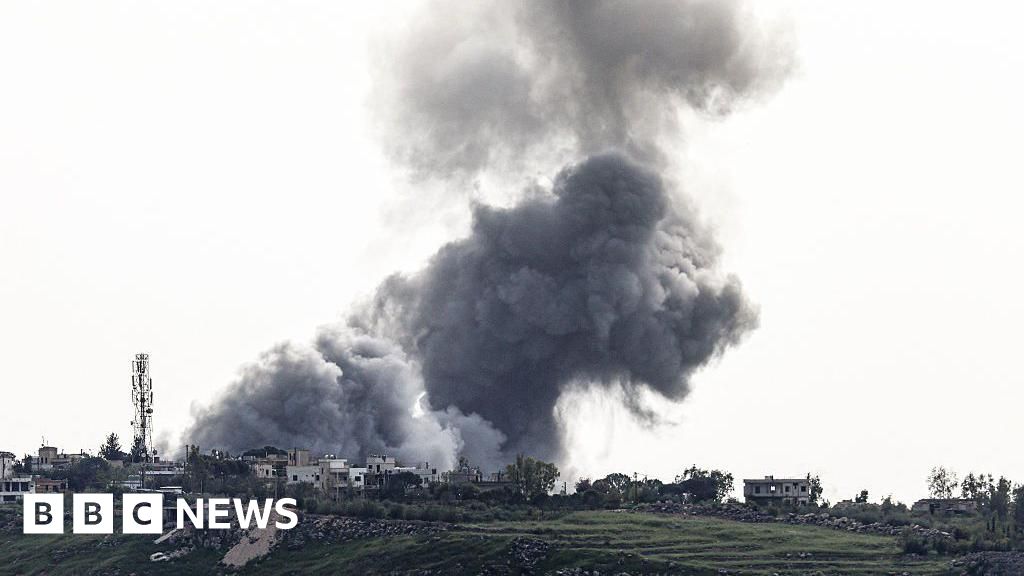
- Smoke was seen rising from the town of Arnoun following the airstrikes, indicating significant damage. S2
- The situation has escalated tensions in the region, which had been experiencing a temporary lull in violence. S1
- Local authorities are assessing the damage and responding to the needs of those affected by the strikes. S1
- The international community is closely monitoring the developments in Lebanon amid fears of further escalation. S2
Why it matters
- The casualties highlight the ongoing volatility in Lebanon and the potential for renewed conflict. S1
- The strikes challenge the effectiveness of the current ceasefire and raise questions about regional stability. S2
- Humanitarian concerns are growing as the number of injured increases and local resources are strained. S1
What to watch
- Monitor the response from the Lebanese government and any potential military actions from Israel. S2
- Watch for statements from international bodies regarding the ceasefire and the situation in Lebanon. S1
- Keep an eye on the humanitarian situation as aid organizations may need to respond to the increased casualties. S2
Related live story