
Context
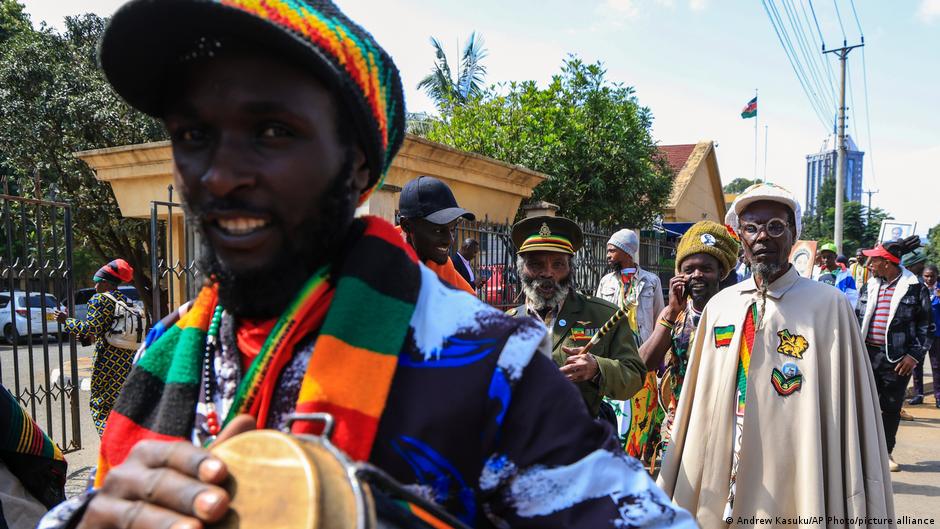
The Rastafarian community in Kenya argued that smoking marijuana is integral to their religious beliefs and practices. However, the court determined that they did not sufficiently demonstrate that marijuana use is necessary for their worship. S1S2
Key points
- The Rastafarian community sought legal permission to use marijuana under the freedom of religion clause. S1S2
- The court ruled that the community failed to prove marijuana's necessity in their worship. S1S2
- This ruling highlights ongoing tensions regarding religious freedoms and drug laws in Kenya. S1S2
- The decision may impact the Rastafarian community's practices and beliefs in Kenya. S1S2
- The case reflects broader discussions about the legal status of marijuana in various contexts. S1S2
- The Rastafarian community is relatively small within the larger Kenyan population. S1S2
- The ruling could set a precedent for future cases involving religious exemptions for drug use. S1S2
- The court's decision may influence public perception of both Rastafarianism and marijuana use in Kenya. S1S2
Why it matters
- The ruling underscores the challenges faced by minority religious groups in asserting their rights. S1S2
- It raises questions about the balance between drug laws and religious freedoms. S1S2
- The outcome could affect the Rastafarian community's visibility and acceptance in Kenyan society. S1S2
What to watch
- Monitor any appeals or further legal actions from the Rastafarian community regarding this ruling. S1S2
- Watch for potential discussions in Kenyan parliament about drug laws and religious freedoms. S1S2
- Observe how this ruling influences public attitudes towards marijuana use in religious contexts. S1S2
Related live story