
Context
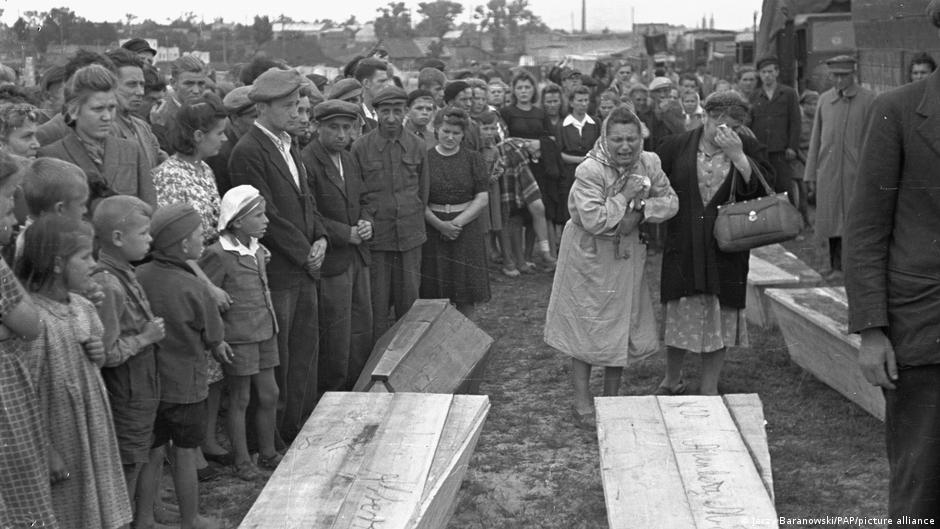
The Kielce pogrom occurred in 1946, fueled by false accusations of ritual child murder, leading to violence against Jewish survivors in the city. S1S2+1
Key points
- The pogrom took place in Kielce, Poland, shortly after World War II. S1S2
- Around 40 Jews were killed during the incident. S1S2
- Some victims were Holocaust survivors returning to their homes. S1S2
- The violence was incited by a lie regarding ritual child murder. S1S2+1
- The event is a significant moment in Polish-Jewish history. S1S2
- The pogrom reflects the broader context of post-war anti-Semitism in Europe. S1S2
- Commemorations are being held to remember the victims and educate about the past. S1S2
- The anniversary serves as a reminder of the dangers of hate and misinformation. S1S2
Why it matters
- Understanding the Kielce pogrom is crucial for acknowledging historical injustices against Jews. S1S2
- The event illustrates the impact of propaganda and false narratives on societal violence. S1S2
- Commemorating such events helps to combat anti-Semitism and promote tolerance. S1S2
What to watch
Related live story