
Context
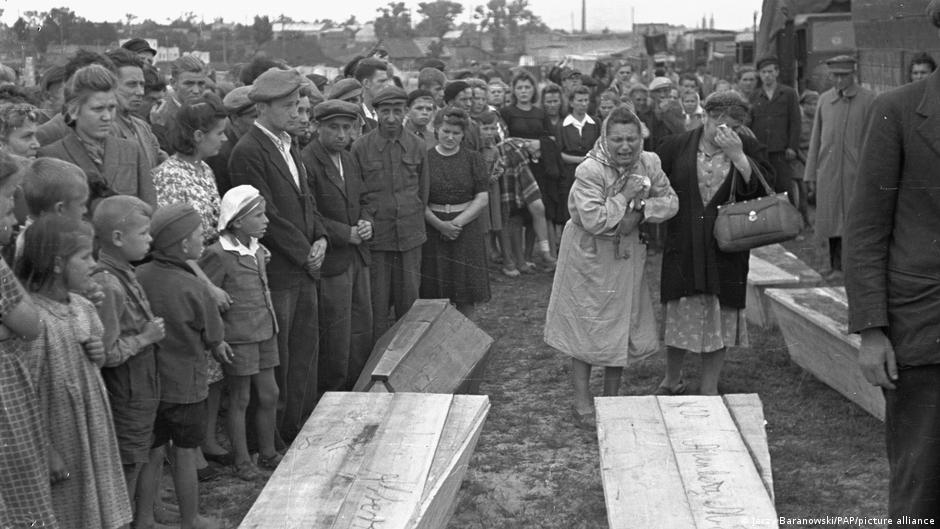
The Kielce pogrom occurred in 1946, just over a year after World War II ended, when a mob attacked the Jewish community in Kielce, Poland. S1S2
Key points
- Around 40 Jews were killed during the pogrom, many of whom were Holocaust survivors. S1S2
- The violence was incited by a false accusation of ritual child murder. S1S2
- The pogrom is considered a significant event in the history of post-war Poland. S1S2
- It reflects the broader context of anti-Semitism in Europe following the Holocaust. S1S2
- The incident has been commemorated to remember the victims and educate about intolerance. S1S2
- The anniversary serves as a reminder of the consequences of hate and misinformation. S1S2
- It has implications for current discussions on anti-Semitism and historical memory in Poland. S1S2
- The pogrom is often referenced in discussions about Jewish history in Poland. S1S2
Why it matters
- Understanding the Kielce pogrom is crucial for recognizing the historical roots of anti-Semitism in Europe. S1S2
- Commemorating such events helps to honor the memory of the victims and educate future generations. S1S2
- The anniversary highlights ongoing issues of discrimination and the importance of tolerance in society. S1S2
What to watch
- Monitor discussions and events commemorating the anniversary in Poland and internationally. S1S2
- Watch for responses from Polish officials regarding historical memory and anti-Semitism. S1S2
- Observe how educational initiatives address the history of the Kielce pogrom and its implications today. S1S2
Related live story