
Context
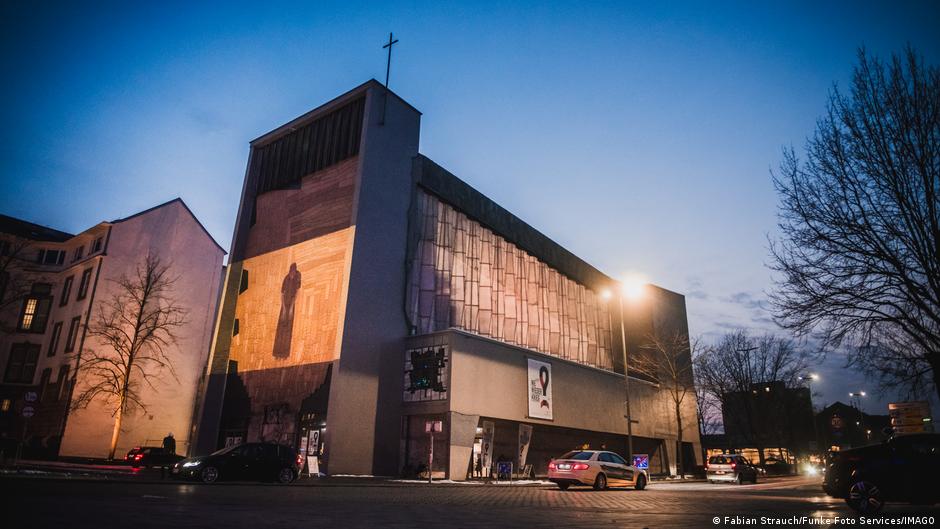
The exhibition highlights the historical significance of churches built after World War II in response to widespread destruction. S1S2
Key points
- Approximately 1000 new churches were constructed in the Ruhr region post-World War II. S1S2
- Many of these churches currently stand empty, raising questions about their future use. S1S2
- Manifesta is seeking innovative ways to repurpose these vacant churches. S1S2
- The exhibition aims to engage the public in discussions about the cultural and social roles of these buildings. S1
- Artists and architects are involved in reimagining the potential of these spaces. S1
- The project reflects broader themes of urban renewal and community engagement. S1
- Manifesta 16 Ruhr is part of a series of biennials that explore contemporary art and culture. S1
- The initiative is significant for its focus on historical architecture and its relevance today. S1
Why it matters
- The project addresses the challenge of maintaining cultural heritage in changing urban landscapes. S1
- It encourages community involvement in the future of local landmarks. S1
- The exploration of these churches can inspire new uses for similar structures across Europe. S1
What to watch
Related live story