
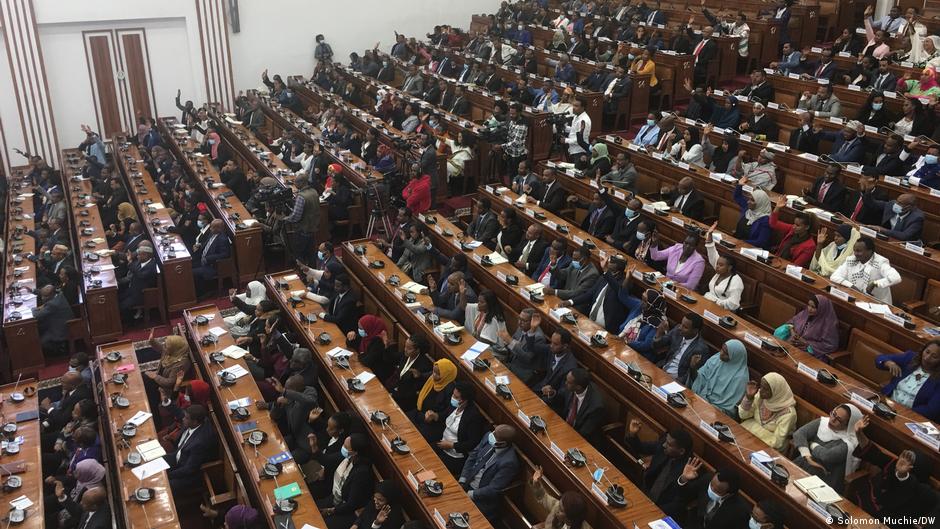
Context
Despite the rise in female representatives, the impact on legislation and gender equality varies significantly among countries in Africa. S1S2
Key points
- The number of female representatives in African parliaments has increased since 2000. S1S2
- In some countries, this increase has led to more legislation focused on women's issues. S1S2
- Other countries have seen little change in legislative focus despite more women in parliament. S1S2
- The overall progress towards gender equality in governance remains inconsistent across the continent. S1S2
- Increased female representation does not automatically translate to effective advocacy for women's rights. S1S2
- Some parliaments have implemented quotas to boost female representation. S1S2
- Cultural and political barriers continue to hinder women's full participation in governance. S1S2
- The situation highlights the need for ongoing efforts to ensure that women's voices are heard in legislative processes. S1S2
Why it matters
- Understanding the dynamics of female representation can inform policies aimed at enhancing gender equality. S1S2
- Legislation that addresses women's issues is crucial for improving the overall status of women in society. S1S2
- Tracking progress in female representation helps to identify successful strategies and areas needing improvement. S1S2
What to watch
Related live story