
Context
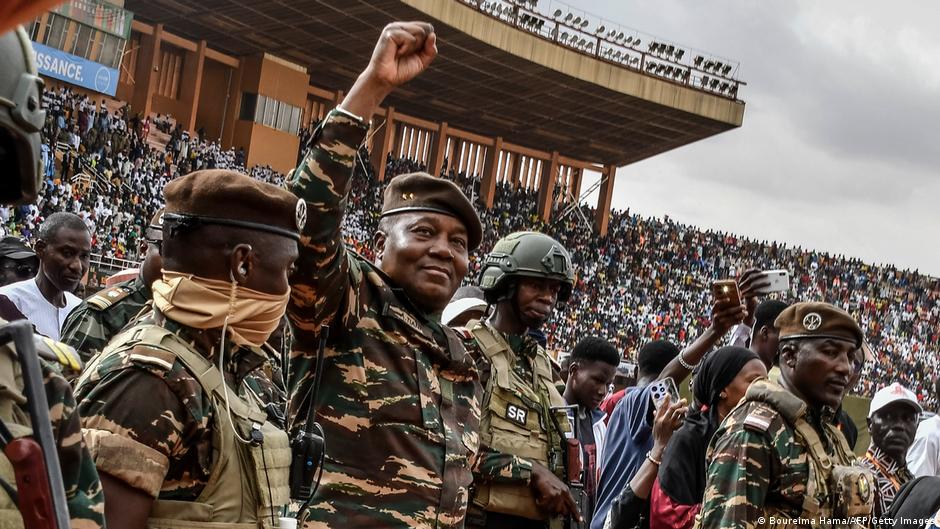
The situation in Niger remains tense following the ousting of President Bazoum, with the junta asserting control and rejecting external pressures. S1S2
Key points
- The junta has rebuffed the EU's call for Bazoum's release. S1S2
- Niger's government warned the EU against meddling in its internal affairs. S1S2
- The European Parliament's resolution reflects ongoing international concern over Niger's political situation. S1S2
- The junta's rejection highlights its commitment to maintaining authority post-coup. S1S2
- Tensions between Niger and the EU may escalate following this rejection. S1S2
- The situation could affect Niger's relations with other international bodies. S1S2
- The junta's stance may influence regional stability in West Africa. S1S2
- International responses to Niger's political crisis are likely to continue evolving. S1S2
Why it matters
- The rejection of the EU's demand signifies a broader trend of resistance against foreign influence in domestic politics. S1S2
- The situation in Niger could have implications for democracy and governance in the region. S1S2
- Continued tensions may hinder humanitarian efforts and international cooperation. S1S2
What to watch
Related live story