
Context
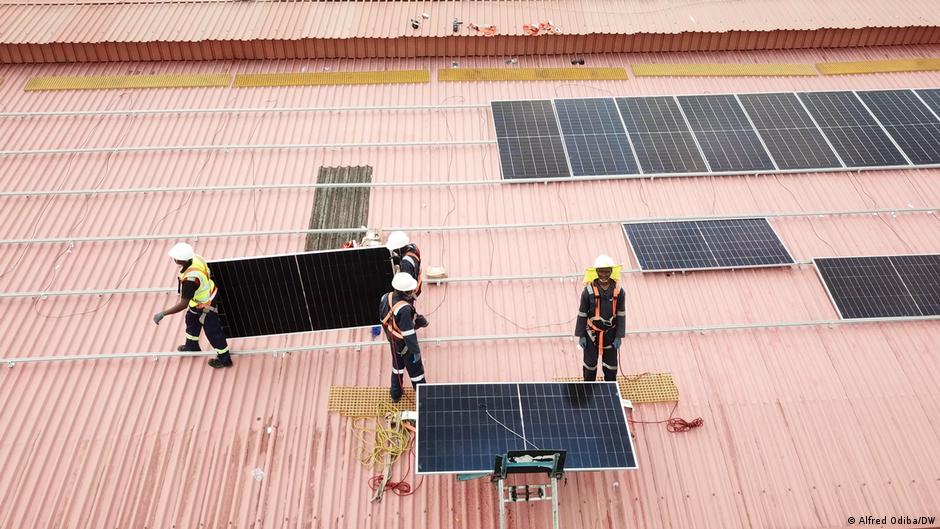
The country is actively seeking alternatives to its inconsistent electricity supply, which has prompted increased interest in solar energy solutions. S1S2
Key points
- Rising solar imports indicate a growing interest in renewable energy sources in Nigeria. S1S2
- The search for alternatives is driven by the unreliability of the national power grid. S1S2
- High fuel costs are also a significant factor pushing consumers towards solar energy. S1S2
- Adoption of solar technology is hindered by steep upfront costs. S1S2
- Limited financing options further complicate the transition to solar energy. S1S2
- Policy uncertainty remains a critical barrier to the growth of the solar market in Nigeria. S1S2
- Despite challenges, the demand for solar solutions continues to rise among consumers. S1S2
- The Nigerian government is under pressure to create a more favorable policy environment for solar energy. S1S2
Why it matters
- Improving access to solar energy could enhance energy security in Nigeria. S1S2
- A successful transition to solar could reduce dependence on fossil fuels and lower energy costs for consumers. S1S2
- Addressing financing and policy issues is crucial for unlocking the potential of solar energy in the country. S1S2
What to watch
Related live story