
Context
The allegations come amid ongoing tensions between the Philippines and China over territorial disputes in the South China Sea. S1S2
Key points
- Philippine officials warn that cyanide could harm marine life and weaken the reef supporting a grounded warship. S1
- Laboratory tests confirmed the presence of cyanide in bottles seized by the Philippine navy at Second Thomas Shoal. S1
- The Philippines claims the cyanide was used to kill fish, impacting food supply for troops stationed in the area. S2
- Beijing has dismissed the allegations as a "farce." S2
- The accusations highlight ongoing tensions between the two nations over fishing rights and territorial claims. S1S2
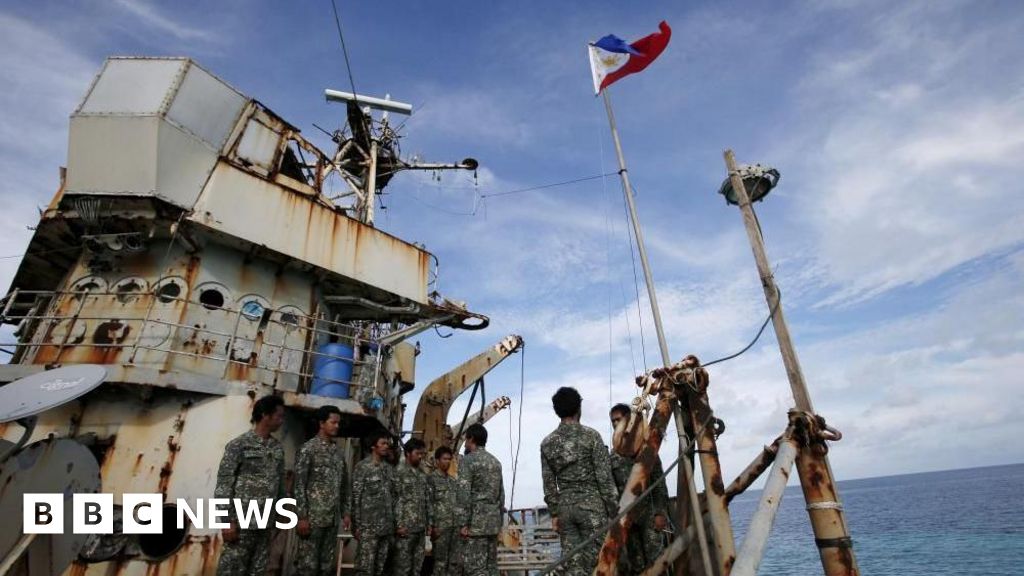
- The Second Thomas Shoal is a contested area where a Philippine warship is grounded as part of a territorial claim. S1
- Environmentalists warn that the use of cyanide poses long-term risks to marine ecosystems. S1
- The incident reflects broader geopolitical struggles in the South China Sea, a vital maritime region. S2
Why it matters
- The use of cyanide in fishing practices can lead to significant ecological damage, affecting biodiversity. S1
- Food security for military personnel in the region could be jeopardized if local fish populations decline. S2
- The situation may escalate diplomatic tensions between the Philippines and China, impacting regional stability. S1S2
What to watch
- Monitor responses from both the Philippine and Chinese governments regarding the allegations. S2
- Watch for potential international reactions or interventions concerning environmental practices in the South China Sea. S1
- Keep an eye on developments at Second Thomas Shoal and any changes in military presence in the area. S1
Related live story