
Context
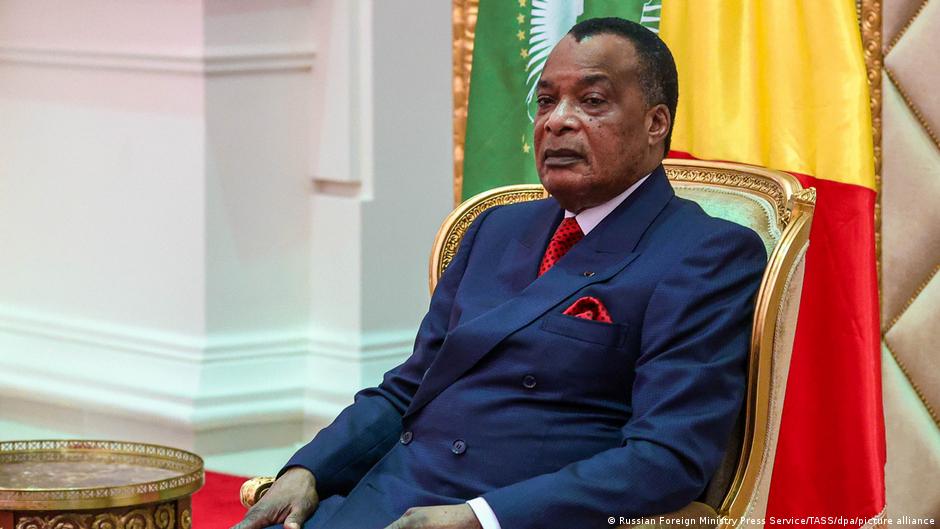
Sassou-Nguesso has been in power since 1979, making him one of Africa's longest-serving leaders. His re-election comes amid a boycott from the main opposition parties, which criticized the electoral process as illegitimate. S1S2
Key points
- Provisional results indicate Sassou-Nguesso received nearly 95% of the vote. S1
- His closest rival garnered less than 2% of the votes cast. S1
- The election was marked by a boycott from the main opposition parties. S2
- Sassou-Nguesso has been in power for a total of 42 years. S2
- Political analysts had anticipated his victory due to his long-standing control over the political landscape. S1
- The opposition described the election as a farce, questioning its legitimacy. S2
- Sassou-Nguesso's administration has faced criticism for its governance and electoral practices. S2
- The election results are provisional and may be subject to further verification. S1
Why it matters
- Sassou-Nguesso's continued leadership raises concerns about democratic processes in the region. S2
- The opposition's boycott highlights significant political divisions and dissatisfaction among voters. S2
- The election outcome may influence regional stability and international relations in Central Africa. S1
What to watch
- Monitor any official announcements regarding the final election results and potential challenges from the opposition. S1
- Observe reactions from international bodies regarding the legitimacy of the election process. S2
- Watch for any developments in the political landscape as Sassou-Nguesso begins his new term. S1
Related live story