
Context
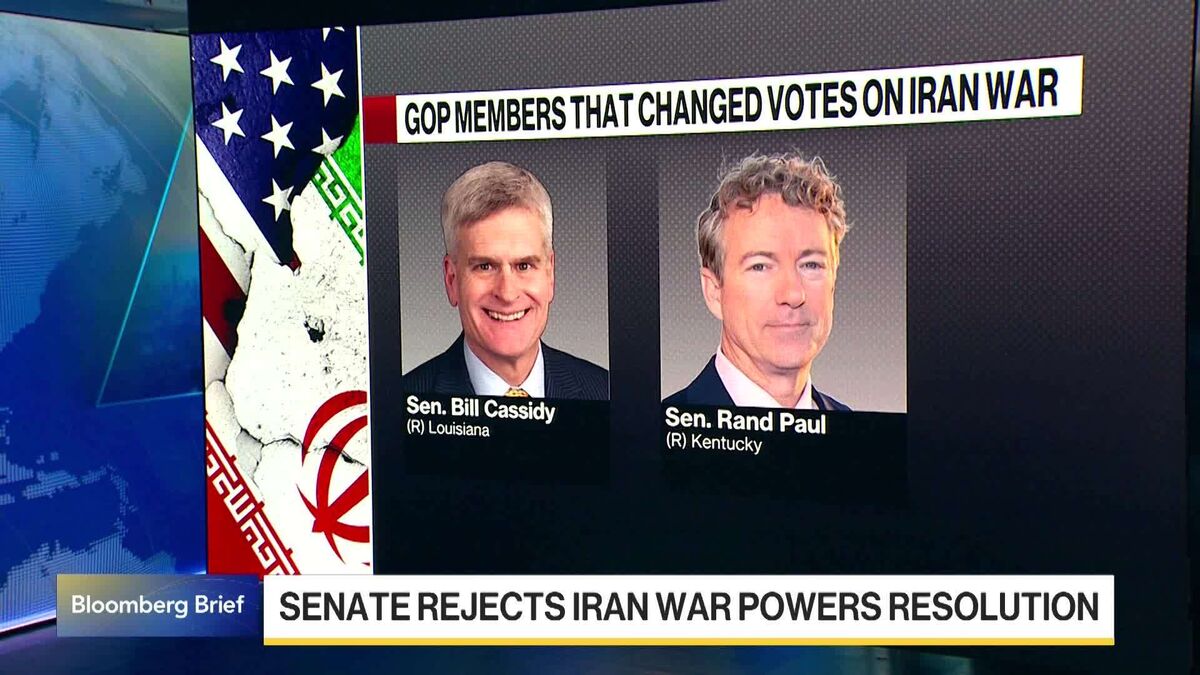
The resolution was rejected after two Republican senators changed their votes, influenced by Trump's criticism during a private lunch meeting. S2
Key points
- The Senate's rejection of the resolution occurred after President Trump confronted GOP senators about their support for it. S1S2
- Two Republican senators flipped their votes, contributing to the resolution's failure. S2
- The resolution aimed to limit the President's military powers regarding Iran. S1
- Trump's private remarks reportedly criticized those who supported the resolution. S2
- The Senate had previously shown some bipartisan support for limiting military action against Iran. S1
- The vote reflects ongoing tensions within the Republican Party regarding foreign policy. S2
- The resolution's defeat indicates strong party loyalty in the face of presidential pressure. S1S2
- This incident highlights the influence of the executive branch over congressional decisions on military matters. S1
Why it matters
- The outcome underscores the challenges of passing war powers legislation in a polarized political environment. S1
- It illustrates the significant influence of the President on legislative processes, particularly among party members. S2
- The rejection may impact future discussions on military engagement and congressional oversight. S1
What to watch
Related live story