
Context
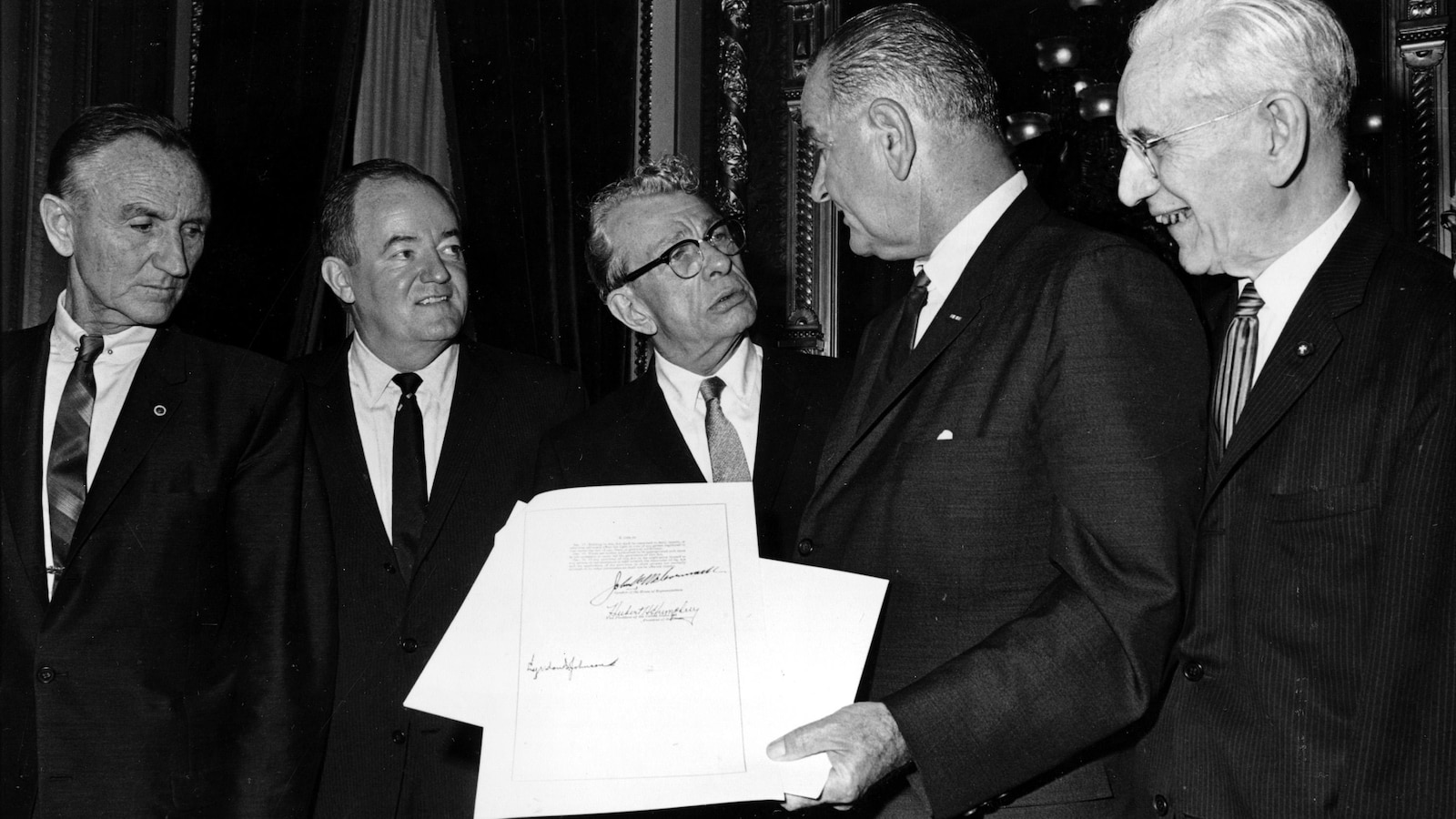
The Voting Rights Act has been a critical piece of legislation in the United States, aimed at preventing discrimination against minority voters and facilitating the election of diverse representatives. S1
Key points
- The Supreme Court's ruling weakens protections established by the Voting Rights Act. S1
- This law has been in effect for over six decades, playing a vital role in minority voting rights. S1
- The decision may lead to changes in how congressional districts are drawn, particularly in the South. S2
- Republicans may seek to redraw minority-majority districts as a result of the ruling. S2
- The ruling could potentially displace many Black Democrats from their congressional seats. S2
- The Voting Rights Act has historically helped elect thousands of Black and Hispanic representatives. S1
- The Supreme Court's decision is seen as a significant shift in voting rights jurisprudence. S1
- The implications of this ruling may affect future elections and representation of minority groups. S2
Why it matters
- The ruling could undermine decades of progress in minority voting rights and representation. S1
- Changes to district maps could alter the political landscape, affecting election outcomes. S2
What to watch
Related live story