
Context
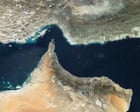
The Strait of Hormuz is a critical maritime route for global energy supplies, with many vessels now rerouting through Iranian waters due to threats to shipping. S1S2
Key points
- Iran has effectively blocked vessels carrying a significant portion of the world's oil and gas supplies. S2
- The blockade has been in response to the ongoing US-Israel war on Iran. S1S2
- This situation has led to soaring energy prices and a potential global recession. S1S2
- The Strait of Hormuz typically sees about a fifth of global oil and gas supplies passing through it. S1
- Iran is using the blockade as a geopolitical bargaining chip in the current conflict. S2
- The maritime route is crucial for transporting fertilizers and other essential goods. S1
- Experts warn that the energy crisis resulting from this blockade is one of the worst in decades. S2
- Many vessels are now taking alternative routes to avoid the risks in the Strait of Hormuz. S1
Why it matters
- The blockade threatens global energy security and could lead to increased prices for consumers worldwide. S1S2
- A prolonged crisis in this region could exacerbate economic instability and contribute to a global recession. S2
- The situation highlights the strategic importance of the Strait of Hormuz in international trade and energy supply chains. S1
What to watch
Related live story