
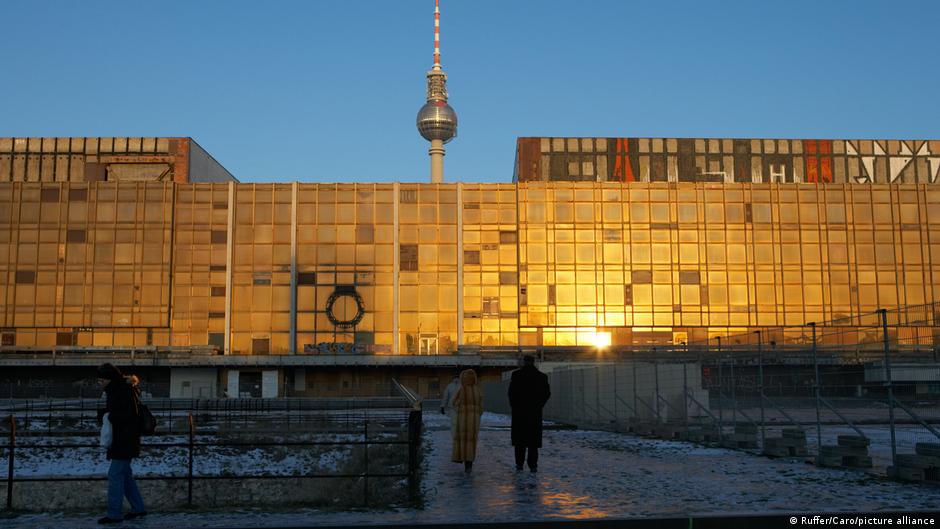
Context
Constructed between 1976 and 1990, the Palace served as a cultural and political hub in East Germany, reflecting the state's ideology and aspirations. S1S2
Key points
- The Palace of the Republic was known as the "People's Palace." S1
- It was a prominent symbol of East Germany's communist regime. S1S2
- The building was controversially destroyed after the reunification of Germany. S1S2
- Despite its demolition, the Palace's legacy continues to be felt in contemporary discussions. S1
- The structure was used for various cultural and political events during its existence. S1
- Debates about the Palace reflect broader themes of memory and historical interpretation in Germany. S1
- The site of the Palace remains significant in the context of urban development in Berlin. S1
- The destruction of the Palace has been a point of contention among historians and the public. S1
Why it matters
- Understanding the Palace's history helps contextualize the complexities of East German identity. S1
- The discussions surrounding its demolition highlight the challenges of reconciling different historical narratives. S1
- The Palace serves as a reminder of the impact of political ideologies on architecture and public space. S1
What to watch
Related live story