
Context
The Strait of Hormuz has drawn significant attention due to its strategic importance in global shipping and energy transport. This focus has led experts to examine other vital maritime routes that are becoming focal points in geopolitical strategies. S1S2
Key points
- The Strait of Hormuz is a critical chokepoint for global oil transport. S1S2
- Experts warn that the Taiwan Strait is increasingly being viewed as a geopolitical leverage point. S1S2
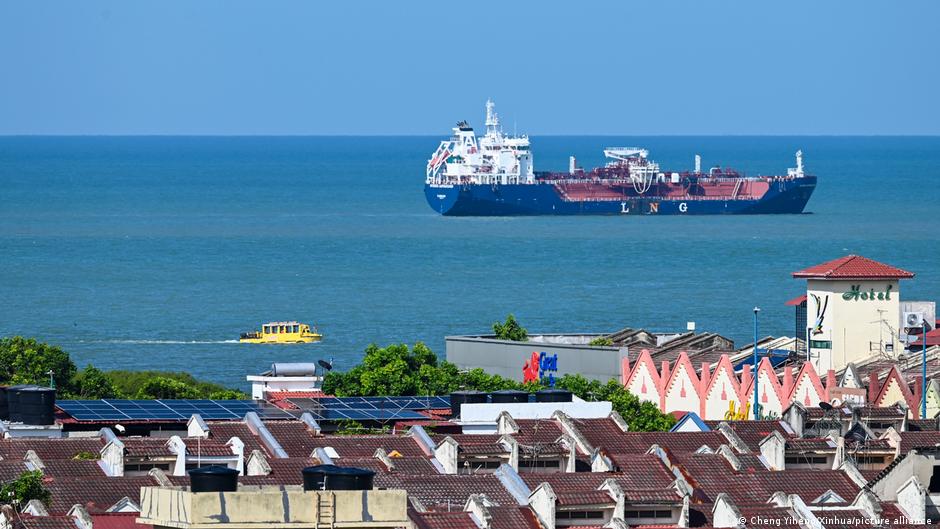
- The Strait of Malacca is also highlighted as a significant maritime route under geopolitical scrutiny. S1S2
- The weaponization of these waterways could impact global trade and security. S1S2
- Geopolitical tensions in these regions may escalate as nations vie for control and influence. S1S2
- The focus on maritime chokepoints reflects broader trends in international relations and security. S1S2
- Shipping routes are becoming battlegrounds for strategic interests among nations. S1S2
- The implications of these developments could reshape global shipping patterns and alliances. S1S2
Why it matters
- Understanding the dynamics of maritime chokepoints is crucial for global economic stability. S1S2
- The potential for conflict over these routes could disrupt international trade flows. S1S2
- The geopolitical significance of these waterways may influence diplomatic relations between nations. S1S2
What to watch
Related live story