
Context
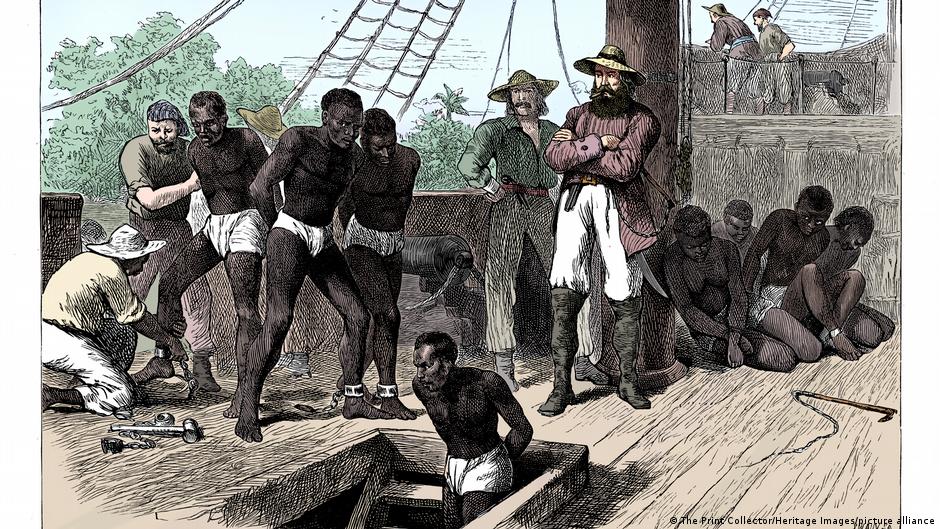
The resolution has garnered significant attention, highlighting the historical injustices faced by enslaved individuals and their descendants. S1S2
Key points
- The UN resolution calls for recognition of the injustices of the transatlantic slave trade. S1
- Supporters argue that apologies from nations involved are necessary for healing. S2
- The debate includes discussions on structural reforms to address systemic inequalities. S1
- The resolution is seen as a pivotal moment in the reparations movement. S2
- Advocates emphasize the importance of acknowledging historical wrongs. S1
- The resolution has sparked reactions from various governments and organizations. S2
- There is a growing call for educational initiatives about the slave trade's impact. S1
- The resolution may influence future policies related to reparations globally. S2
Why it matters
- The resolution could lead to increased pressure on governments to address historical injustices. S1
- It highlights the ongoing impact of colonialism and slavery in contemporary society. S2
- The discussions may pave the way for legal frameworks supporting reparations. S1
What to watch
Related live story