
Context
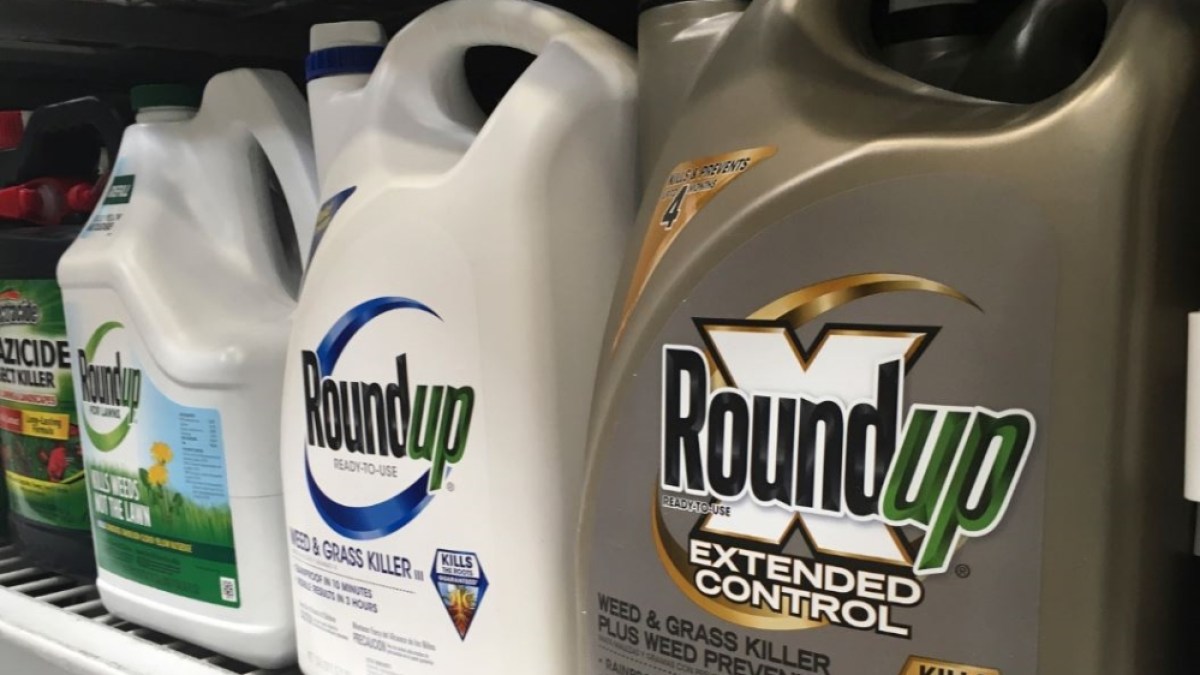
Bayer acquired Roundup in 2018 and has faced over 100,000 lawsuits claiming a cancer link to the product. The Supreme Court's ruling is seen as a pivotal moment in the ongoing legal battles surrounding Roundup. S1S2
Key points
- The Supreme Court's decision is expected to block thousands of lawsuits against Bayer. S2
- Bayer stated that the ruling is beneficial for science and farmers. S1
- The ruling comes after a significant number of multibillion-dollar verdicts against Bayer in previous cases. S2
- Both Republicans and Democrats have expressed backlash against the Supreme Court's decision. S1
- The legal challenges against Roundup have included claims that the company failed to warn users about cancer risks. S2
- The decision is part of a broader trend of the Supreme Court limiting liability for companies in similar cases. S2
- Bayer's legal strategy has included arguing that the science does not support the claims made by plaintiffs. S1
- The ruling may influence future litigation related to agricultural chemicals and their safety. S2
Why it matters
- This ruling could set a precedent for how similar cases are handled in the future, potentially reducing corporate liability. S2
- The decision may impact public perception of agricultural chemicals and their regulation. S1
- Farmers and agricultural businesses may benefit from reduced legal risks associated with using Roundup. S1
What to watch
- Monitor how this ruling affects ongoing and future lawsuits related to Roundup and other agricultural products. S2
- Watch for responses from advocacy groups and public health organizations regarding the ruling's implications. S1
- Keep an eye on Bayer's stock performance and business strategy following the Supreme Court decision. S1
Related live story