
Context
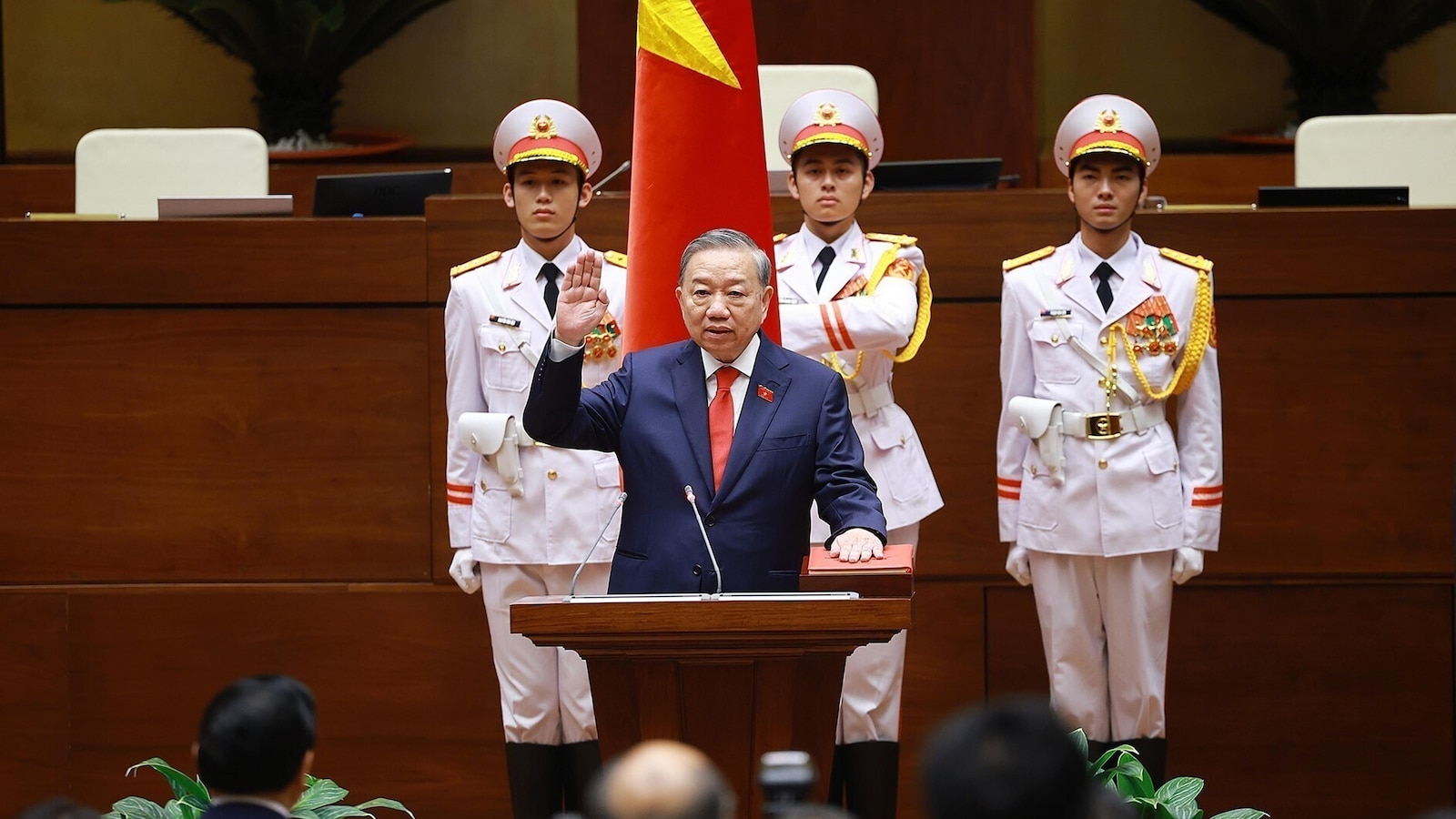
This election reflects a shift in Vietnam's governance, where the roles of party leadership and state presidency have been unified under a single individual. S2S3
Key points
- To Lam's election was unanimous, indicating strong support within the Communist Party. S1
- The move aligns Vietnam's political structure more closely with that of China. S1
- Previously, the party leadership and state presidency were held by different individuals. S2S3
- To Lam's control over both the party and state is seen as a consolidation of power. S1
- The election is part of a broader trend of centralizing authority within the Vietnamese government. S2
- To Lam's leadership may influence Vietnam's domestic and foreign policies moving forward. S1
- The decision reflects the Communist Party's strategy to maintain stability and control. S2
- This election could impact Vietnam's relations with other nations, particularly in Southeast Asia. S3
Why it matters
- Consolidating power under one leader may streamline decision-making processes in Vietnam. S1
- The shift could lead to more cohesive policies aligning with the Communist Party's goals. S2
- It raises questions about the future of political pluralism in Vietnam. S3
What to watch
Related live story