
Context
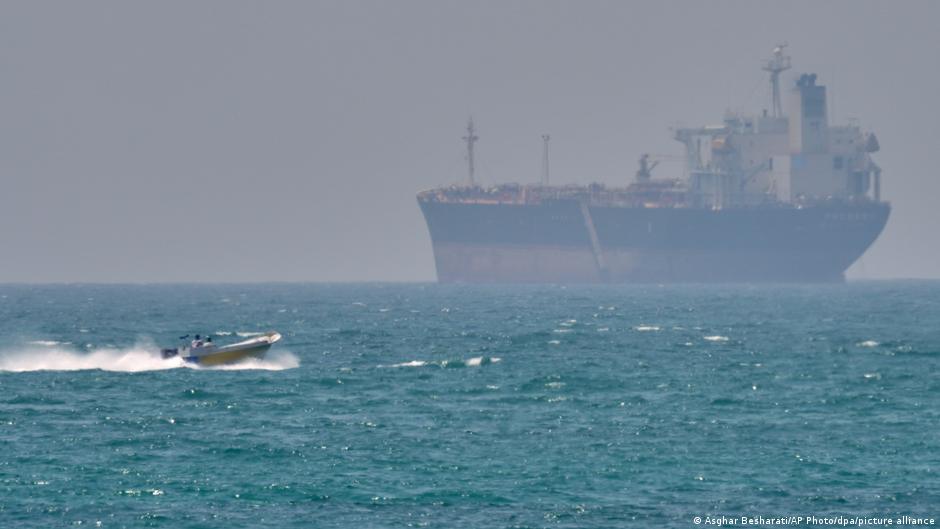
Both nations are heavily dependent on maritime routes for essential goods, which has been underscored by the disruption in the Strait of Hormuz. S1S2
Key points
- The Strait of Hormuz is a critical passage for global oil shipments. S1
- Japan and South Korea rely on imports for food and fuel. S1S2
- The blockade has prompted discussions on trade security in both countries. S1
- Tokyo and Seoul are exploring alternative supply routes. S2
- The situation highlights vulnerabilities in their supply chains. S1
- Both nations are considering strategic reserves for essential goods. S2
- The disruption may lead to policy shifts regarding energy independence. S1
- Increased military presence in the region is being discussed as a response. S2
Why it matters
- Understanding the implications of the blockade is crucial for national security. S1
- The situation could influence regional diplomatic relations. S2
- It emphasizes the need for diversified supply chains to mitigate risks. S1
What to watch
Related live story