
Context
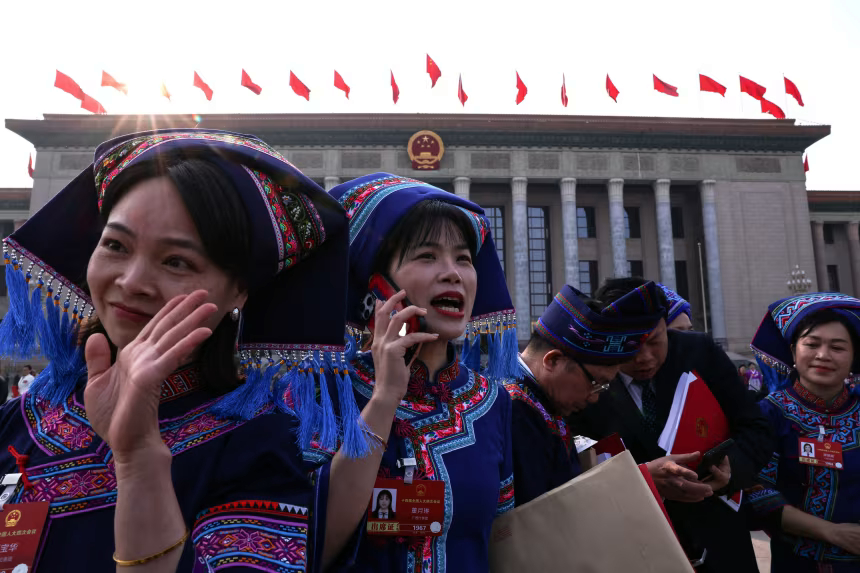
The law reflects a long-standing initiative by Chinese leadership to encourage ethnic minorities to adopt a national identity aligned with the Communist Party. S1S2
Key points
- The law mandates that ethnic minorities integrate into mainstream Chinese culture. S2
- It extends the government's influence into various aspects of life, including education and community interactions. S2
- Critics argue that the law could accelerate forced assimilation practices. S1
- The Chinese government maintains that the law promotes national unity and stability. S1
- There are concerns that the law may lead to increased targeting of dissenters among minority groups. S1
- The law is part of a broader strategy by Xi Jinping to reinforce loyalty to the Communist Party. S2
- Implementation of the law may vary across different regions, particularly in areas with significant minority populations. S2
- International reactions to the law are likely to include condemnation from human rights organizations. S1
Why it matters
- The law could reshape the cultural landscape of minority communities in China. S2
- It raises significant human rights concerns regarding the treatment of ethnic minorities. S1
- The law may affect China's international relations, particularly with countries that advocate for minority rights. S1
What to watch
Related live story