
Context
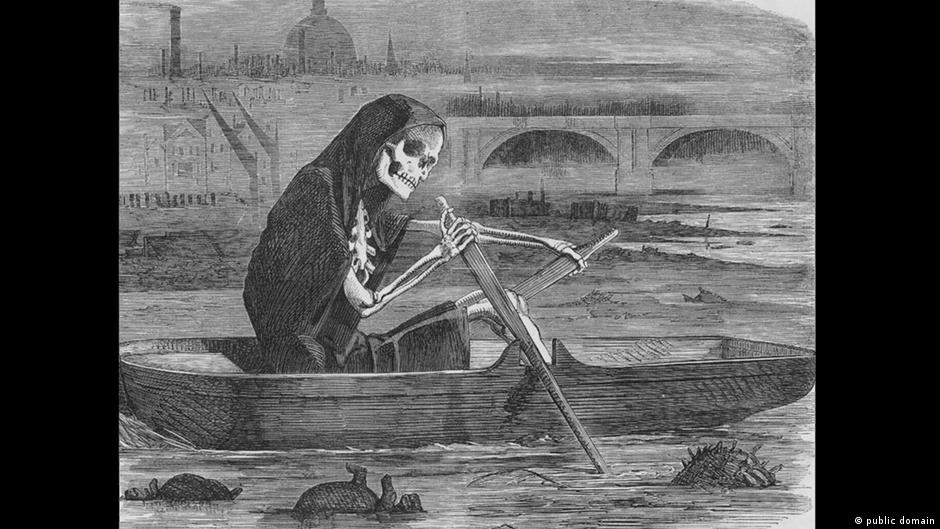
The Great Stink occurred during a particularly hot summer, causing the River Thames to emit foul odors that affected the city's air quality and public health. S1S2
Key points
- The Great Stink left residents gasping for air due to the unbearable smell from the River Thames. S1S2
- The crisis highlighted the inadequacies of London's sanitation system at the time. S1S2
- The public outcry over the stench prompted urgent governmental action. S1S2
- The event ultimately led to the development of a modern sewer system in London. S1S2
- The Great Stink is a significant historical event that illustrates the impact of urban pollution. S1S2
- It marked a turning point in public health and urban planning in London. S1S2
- The incident is often referenced in discussions about environmental health and urban infrastructure. S1S2
- The Great Stink remains a notable example of how environmental crises can drive systemic change. S1S2
Why it matters
- Understanding the Great Stink provides insight into the historical challenges of urban sanitation. S1S2
- The event serves as a reminder of the importance of effective waste management systems. S1S2
- It highlights the relationship between public health and environmental conditions. S1S2
What to watch
Related live story