
Context
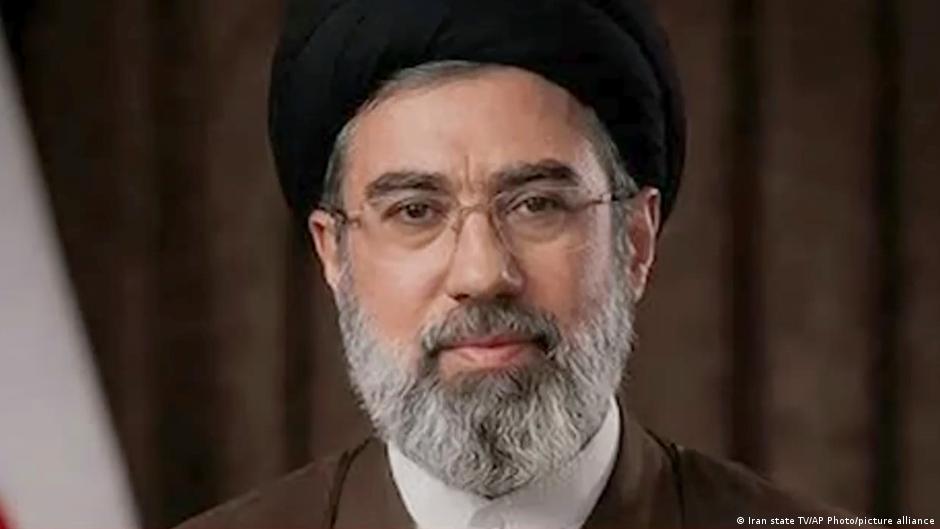
The selection of Mojtaba Khamenei by Iran's Assembly of Experts indicates a continuation of hardline leadership in the country, particularly during a time of heightened military conflict. S2S6
Key points
- Mojtaba Khamenei succeeds his father, Ali Khamenei, who was killed in US-Israeli strikes. S4S8
- His appointment reflects the Iranian regime's decision to maintain a confrontational stance against the US and Israel. S1S3
- The succession process occurs amidst a full-scale war and significant domestic challenges. S4S6
- Mojtaba's selection suggests that hardliners remain firmly in control of Iran's political landscape. S3S5
- The Assembly of Experts is responsible for choosing the supreme leader, a process that has only been navigated once before. S4S7
- The timing of the succession is critical, given the ongoing military conflict and economic crisis in Iran. S2S6
- US President Donald Trump previously stated that a successor to Khamenei would struggle without US approval. S6
- Mojtaba Khamenei's leadership may influence Iran's future foreign policy and military strategies. S1S5
Why it matters
- The appointment of Mojtaba Khamenei could escalate tensions between Iran and its adversaries, particularly the US and Israel. S1S3
- This leadership change may impact regional stability in the Middle East, given Iran's role in various conflicts. S2S6
- The hardline approach of the new leader may hinder diplomatic efforts aimed at resolving ongoing disputes. S1S5
What to watch
- Monitor Iran's military actions and responses to US and Israeli operations in the region. S2S6
- Watch for potential shifts in Iran's domestic policies under Mojtaba's leadership, especially regarding economic issues. S4S6
- Observe international reactions to the leadership change, particularly from Western nations and regional powers. S1S3
Related live story