
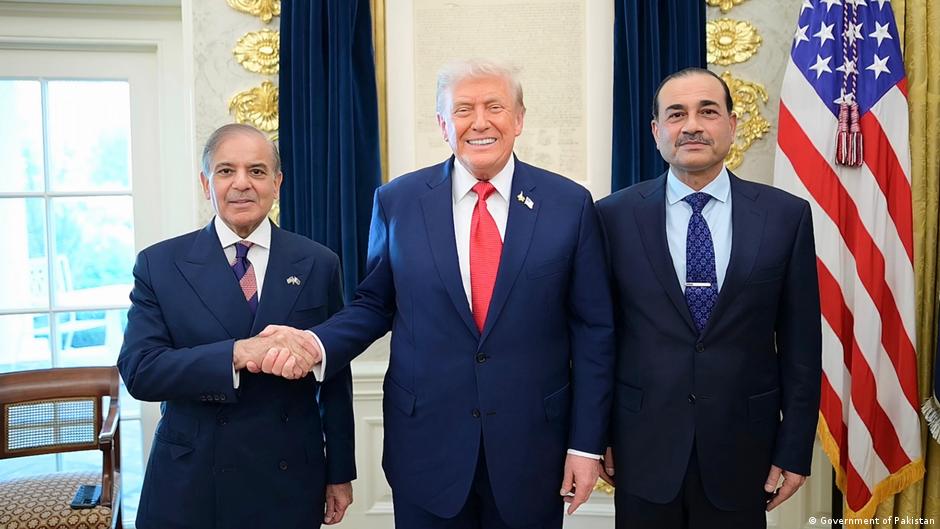
Context
The situation in the region has led to complex diplomatic dynamics, with Pakistan attempting to balance its relationships with various countries involved. S1S2
Key points
- Pakistan has condemned the US-Israeli strikes on Iran. S1S2
- The country has also criticized Iran for its attacks on Saudi Arabia and other Gulf nations. S1S2
- Islamabad's neutral stance aims to maintain diplomatic relations with multiple stakeholders in the conflict. S1S2
- Pakistan's position reflects its broader foreign policy strategy in the Middle East. S1S2
- The neutrality may help Pakistan avoid entanglement in regional conflicts. S1S2
- Pakistan's diplomatic approach is significant given its historical ties with both Iran and Saudi Arabia. S1S2
- The situation remains fluid, with potential implications for regional security. S1S2
- Pakistan's response to the conflict could influence its relations with major powers involved. S1S2
Why it matters
- Pakistan's neutrality could serve as a stabilizing factor in a volatile region. S1S2
- The country's diplomatic choices may affect its economic and security partnerships. S1S2
- A balanced approach may enhance Pakistan's role as a mediator in future conflicts. S1S2
What to watch
Related live story