
Context
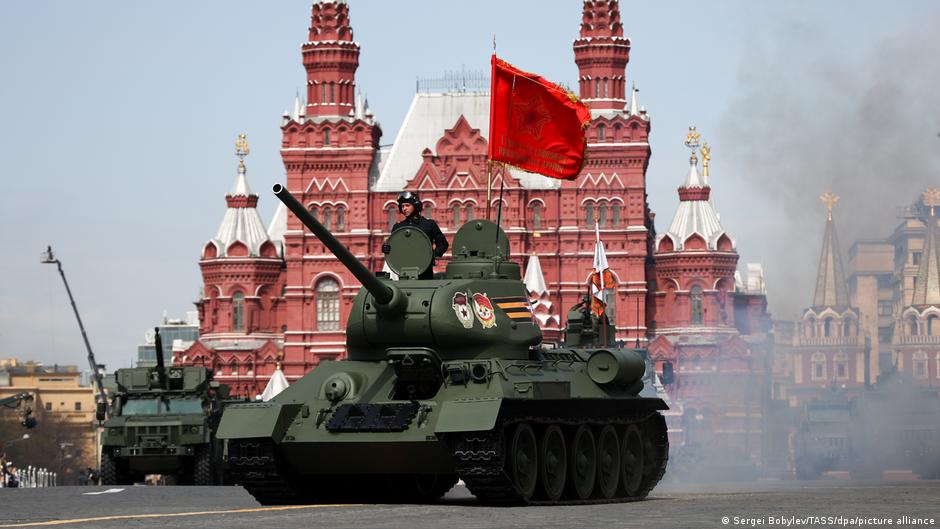
The May 9 Victory Parade commemorates the Soviet Union's victory over Nazi Germany in World War II and is a significant event in Russia's national calendar. S1S2
Key points
- This year's parade in Moscow will be more modest than in previous years. S1S2
- Some May 9 parades have been canceled in various regions of Russia. S1S2
- The Kremlin has attributed the changes to the ongoing conflict with Ukraine. S1S2
- The reduction in scale reflects broader military and political challenges faced by Russia. S1S2
- The Victory Parade is a key display of military strength and national pride in Russia. S1S2
- The changes may affect public perception of the military and government. S1S2
- This year's events may focus more on local commemorations rather than large-scale displays. S1S2
- The adjustments to the parade could signal a shift in Russia's military strategy and public messaging. S1S2
Why it matters
- The Victory Parade is a symbol of Russian nationalism and military pride, making its reduction significant. S1S2
- Cancellations and reductions may indicate the impact of the Ukraine conflict on domestic morale and military resources. S1S2
- The Kremlin's narrative around the parade reflects its ongoing efforts to frame the conflict in Ukraine as a continuation of historical struggles. S1S2
What to watch
- Monitor how public reactions to the scaled-back parades may influence future military events in Russia. S1S2
- Watch for any statements from the Kremlin regarding the significance of this year's events. S1S2
- Observe potential changes in military strategy or public messaging following the May 9 events. S1S2
Related live story