
Context
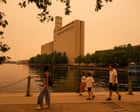
The smoke from over 100 active wildfires in Ontario has caused Toronto's air quality to be ranked the worst globally, prompting health advisories from Environment Canada. S1S2
Key points
- Toronto's air quality was reported as the worst in the world due to wildfire smoke. S1S2
- The sky over Toronto turned yellow, indicating poor air quality conditions. S1
- Smoke from the wildfires has drifted into cities across the northeastern United States. S1S2
- Environment Canada issued health warnings related to the deteriorating air quality. S1
- The wildfires are concentrated in northern Ontario, with over 100 active incidents reported. S1
- The air quality issues have raised concerns about public health and safety in affected areas. S2
- The situation highlights the broader impact of wildfires on urban environments far from the source. S1
- IQAir, a Swiss technology company, provided the air quality rankings that placed Toronto at the bottom. S1
Why it matters
- Poor air quality can lead to serious health issues, particularly for vulnerable populations. S1
- The situation underscores the growing impact of climate-related events on urban air quality. S2
- Understanding the effects of wildfires is crucial for public health planning and response. S1
What to watch
Related live story