
Context
The proposed amendments would extend presidential terms from five to seven years, potentially allowing President Emmerson Mnangagwa to remain in power until 2030, beyond his original 2028 exit date. S1S2
Key points
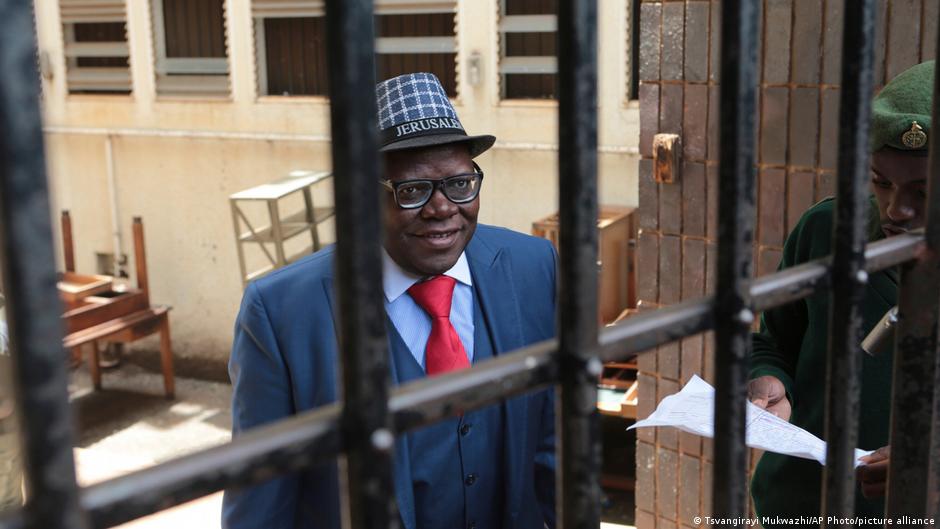
- Tendai Biti, an opposition leader, has reportedly been detained amid the controversy over the proposed changes. S1
- The constitutional amendments are seen as a move to consolidate power for the current president. S2
- Critics argue that extending presidential terms undermines democratic processes in Zimbabwe. S1
- The proposed changes have sparked protests and backlash from opposition parties. S2
- Supporters of the amendments claim they will provide stability and continuity in governance. S1
- The political climate in Zimbabwe remains tense as discussions around the amendments continue. S2
- International observers are closely monitoring the situation for potential impacts on Zimbabwe's democracy. S1
- The proposed changes could affect the upcoming political landscape and elections in Zimbabwe. S2
Why it matters
- The outcome of these amendments could significantly alter the balance of power in Zimbabwe. S1
- Detentions of opposition leaders raise concerns about human rights and political freedoms in the country. S2
What to watch
Related live story