
Context
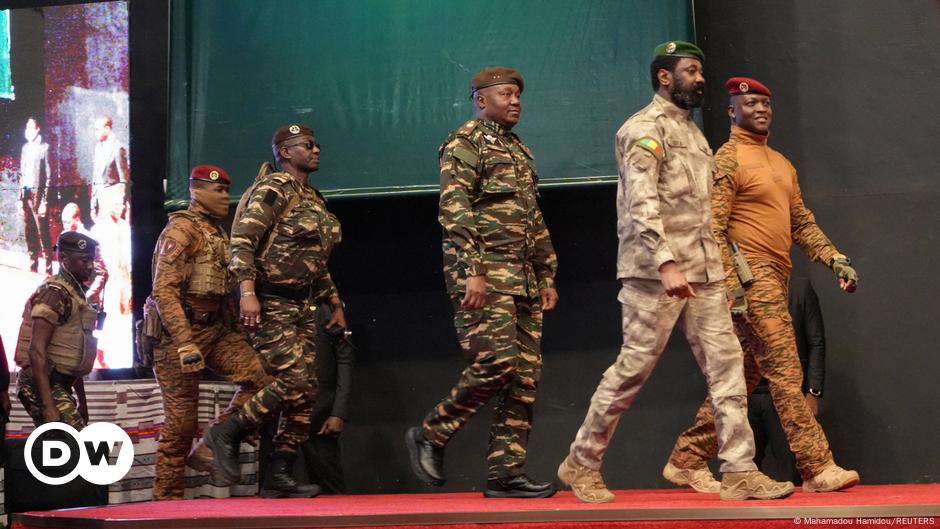
The Sahel has experienced significant instability following a series of coups in Mali, Niger, and Burkina Faso, prompting a realignment of international partnerships. S1S2
Key points
- Junta regimes in the Sahel have sought alliances with Russia, China, and the US after the coups. S1S2
- The EU aims to enhance its investment in security and development in West Africa. S1S2
- The shift in alliances reflects a broader geopolitical competition in the region. S1S2
- The EU's strategy is part of a response to the influence of external powers in the Sahel. S1S2
- Strengthening ties with Sahel countries is seen as crucial for regional stability. S1S2
- The EU's focus includes addressing security challenges and promoting economic growth. S1S2
- The recent coups have created a vacuum that external powers are eager to fill. S1S2
- The EU's new strategy may involve increased diplomatic engagement and support for governance. S1S2
Why it matters
- The Sahel's instability poses risks not only to local populations but also to European security. S1S2
- A stronger EU presence could counterbalance the influence of rival powers in the region. S1S2
- Investing in the Sahel may help address root causes of migration towards Europe. S1S2
What to watch
Related live story