
Context
The portrayal of international conflicts in Chinese media often reflects the government's strategic interests and cultural narratives. S1S2
Key points
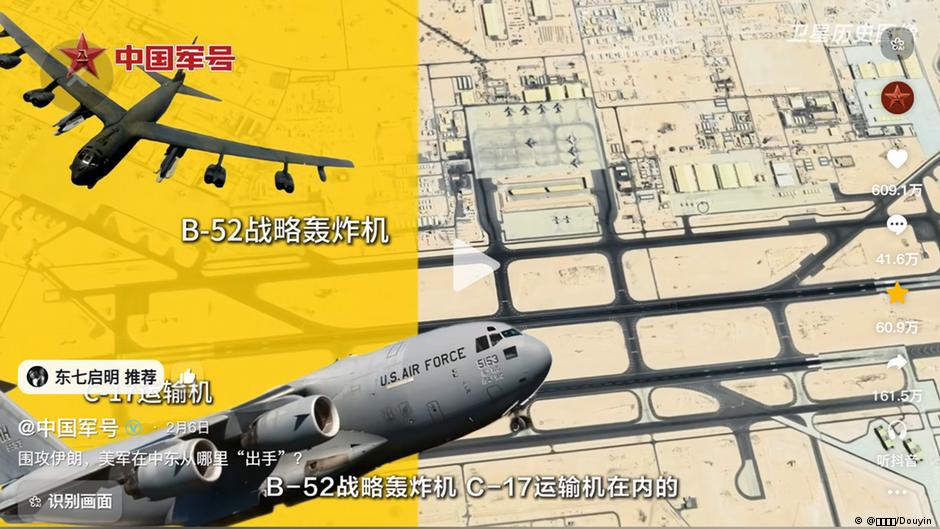
- Chinese state media is enhancing the narrative of the Iran war for local consumption. S1S2
- An AI-generated video features a Persian cat and an eagle, framing the conflict as a martial arts fantasy. S1S2
- The use of creative visuals aims to engage viewers and promote a specific interpretation of the war. S1S2
- This approach aligns with China's broader strategy of using media to influence public perception. S1S2
- The narrative may serve to bolster national pride and cultural identity among Chinese citizens. S1S2
- Such portrayals can also distract from domestic issues by focusing attention on foreign conflicts. S1S2
- The martial arts theme resonates with traditional Chinese storytelling, making the content relatable. S1S2
- Chinese media's framing of the conflict may impact international perceptions of China's role in global affairs. S1S2
Why it matters
- Understanding China's media narratives helps to comprehend its foreign policy and domestic propaganda efforts. S1S2
- The portrayal of international conflicts can influence public opinion and national sentiment within China. S1S2
- Media narratives can shape how other countries view China's involvement in global issues. S1S2
What to watch
Related live story