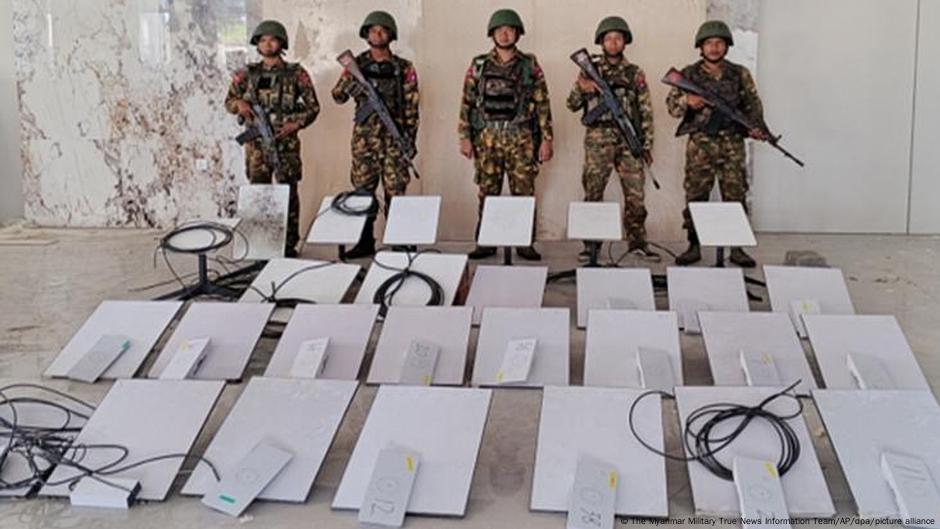
Rising Cyberscam Losses in Europe

Politics
The brief

Europe is experiencing significant financial losses due to online scams, highlighting deficiencies in the EU's response compared to other regions.

Context

The rise in cyberscam incidents has prompted concerns about the effectiveness of the EU's measures against these crimes.S1S2

Key points

  • Europeans are losing billions to online scams.S1S2
  • The EU's response has been slower than that of the US, UK, and China.S1S2
  • Many scams are linked to Southeast Asian networks.S1S2
  • The scale of losses indicates a growing problem in cybersecurity.S1
  • There is a call for improved measures to combat these scams.S1
  • The issue raises questions about the EU's cybersecurity strategy.S1
  • Increased awareness and education on scams is needed among the public.S1
  • Collaboration with international partners may enhance response efforts.S1

Why it matters

  • The financial impact of scams affects individuals and the economy.S1
  • A stronger response could protect consumers and businesses from losses.S1
  • Addressing these gaps is crucial for maintaining trust in digital services.S1

What to watch

  • Monitor developments in EU cybersecurity policies.S1
  • Watch for potential international collaborations to tackle scams.S1
  • Keep an eye on public awareness campaigns regarding online safety.S1

Timeline · newest first
4mos Deutsche Welle

Rising Asian cyberscam losses expose gaps in EU response

Europeans are losing billions to online scams, yet the EU has been slower than the US, the UK and China in targeting the Southeast Asian networks behind many of them.

4mos Deutsche Welle · 4 reports

Rising cyberscam losses expose gaps in EU response

Europeans are losing billions to online scams, yet the EU has been slower than the US, the UK and China in targeting the Southeast Asian networks behind many of them.

Rising Cyberscam Losses in Europe

1 outlet 5 reports
The brief

Europe is experiencing significant financial losses due to online scams, highlighting deficiencies in the EU's response compared to other regions.

Context

The rise in cyberscam incidents has prompted concerns about the effectiveness of the EU's measures against these crimes.S1S2

Key points

  • Europeans are losing billions to online scams.S1S2
  • The EU's response has been slower than that of the US, UK, and China.S1S2
  • Many scams are linked to Southeast Asian networks.S1S2
  • The scale of losses indicates a growing problem in cybersecurity.S1
  • There is a call for improved measures to combat these scams.S1
  • The issue raises questions about the EU's cybersecurity strategy.S1
  • Increased awareness and education on scams is needed among the public.S1
  • Collaboration with international partners may enhance response efforts.S1

Why it matters

  • The financial impact of scams affects individuals and the economy.S1
  • A stronger response could protect consumers and businesses from losses.S1
  • Addressing these gaps is crucial for maintaining trust in digital services.S1

What to watch

  • Monitor developments in EU cybersecurity policies.S1
  • Watch for potential international collaborations to tackle scams.S1
  • Keep an eye on public awareness campaigns regarding online safety.S1
Timeline · newest first

Sources · 2 citations

S1S2 Deutsche Welle 5 reports · EN