Story France

France's Senate Considers Controversial 'Rioters Pay' Bill Amid Ongoing Unrest

France
The brief

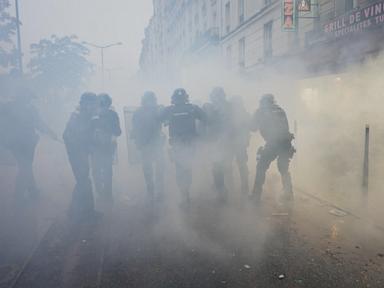
The French Senate is set to vote on a contentious bill known as the "casseurs-payeurs" or "rioters pay" bill, which would require individuals convicted of rioting to cover the costs of the damage they cause during civil unrest. This legislative move comes in response to a series of protests that have erupted across France, resulting in significant damage to public buildings and violent clashes with law enforcement. The unrest has raised concerns about public safety and the accountability of those involved in the riots, prompting the government to take legislative action.

In addition to the financial accountability measures for rioters, the bill includes a controversial provision that would empower the government to block social media platforms that fail to promptly respond to reports of dangerous content. This add-on has sparked debate regarding freedom of expression and the responsibilities of social media companies in moderating content. The proposed legislation reflects a growing frustration among lawmakers over the perceived inadequacies of social media platforms in managing harmful content that can incite violence or unrest.S1S2

As the Senate prepares for the vote, the broader implications of the bill are being scrutinized by various stakeholders, including civil liberties advocates who argue that the measures may infringe on individual rights. The outcome of this legislation could set a precedent for how governments respond to civil disorder and the role of digital platforms in public safety. Should the bill pass, it may usher in a new era of accountability for those who engage in violent protests and challenge the responsibilities of social media in maintaining public order.S1
Timeline · newest first
4d France 24

France's Senate takes on the 'rioters pay' bill after protests

If the French Senate passes this bill, rioters will have to pay for the damage caused during the recent unrest across the country. This "casseurs-payeurs" bill comes in the wake of…

4d Wol

France’s ‘rioters pay’ bill explained

Following a series of recent protests in France that have seen public buildings damaged and clashes with police, the government

France's Senate Considers Controversial 'Rioters Pay' Bill Amid Ongoing Unrest

2 outlets 2 reports
The brief

The French Senate is set to vote on a contentious bill known as the "casseurs-payeurs" or "rioters pay" bill, which would require individuals convicted of rioting to cover the costs of the damage they cause during civil unrest. This legislative move comes in response to a series of protests that have erupted across France, resulting in significant damage to public buildings and violent clashes with law enforcement. The unrest has raised concerns about public safety and the accountability of those involved in the riots, prompting the government to take legislative action.

In addition to the financial accountability measures for rioters, the bill includes a controversial provision that would empower the government to block social media platforms that fail to promptly respond to reports of dangerous content. This add-on has sparked debate regarding freedom of expression and the responsibilities of social media companies in moderating content. The proposed legislation reflects a growing frustration among lawmakers over the perceived inadequacies of social media platforms in managing harmful content that can incite violence or unrest.S1S2

As the Senate prepares for the vote, the broader implications of the bill are being scrutinized by various stakeholders, including civil liberties advocates who argue that the measures may infringe on individual rights. The outcome of this legislation could set a precedent for how governments respond to civil disorder and the role of digital platforms in public safety. Should the bill pass, it may usher in a new era of accountability for those who engage in violent protests and challenge the responsibilities of social media in maintaining public order.S1

Timeline · newest first

Sources · 2 citations

S1 France 24 1 report · EN
S2 WolLead 1 report · EN