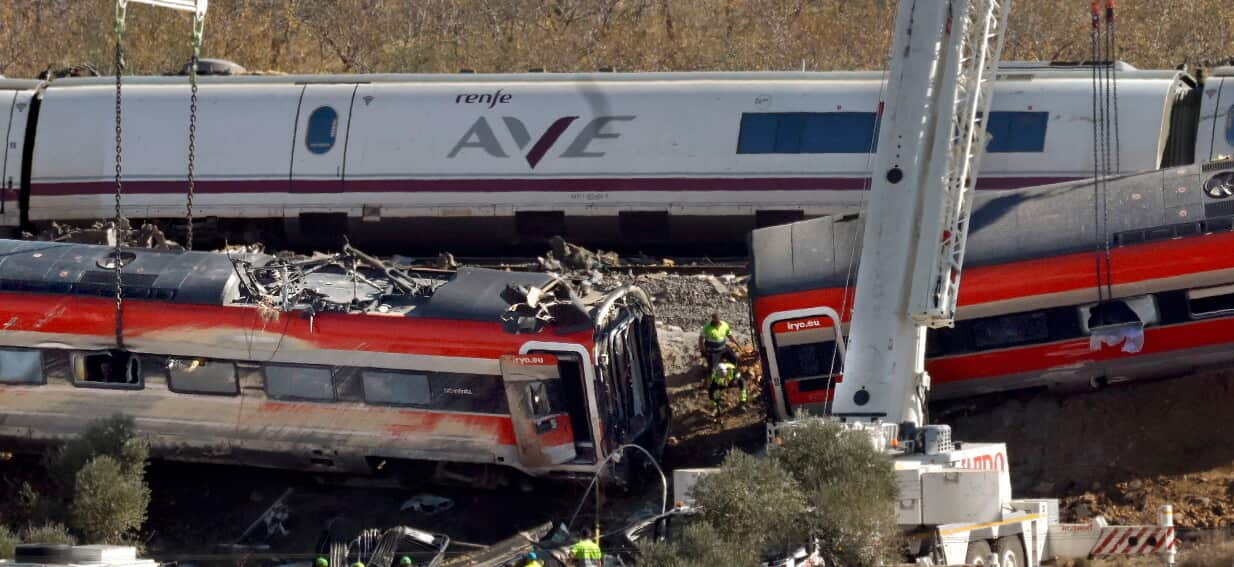
Spain's rail network has been shaken by tragedy once again, leading to significant political repercussions. Transport Minister Oscar Puente announced his resignation just hours after unveiling an emergency aid package for victims of last week's deadly train crash, which has raised serious concerns about rail safety in the country. This incident marks the second major rail disaster in Spain within a single year, compounding the scrutiny on the government's handling of transportation safety.
The recent crash has not only resulted in loss of life but has also overshadowed the ongoing political campaign ahead of upcoming elections. Prime Minister Pedro Sánchez is currently trailing in opinion polls, and the fallout from these accidents is likely to impact the electoral landscape. The resignation of Puente, who was tasked with ensuring the safety of the rail network, adds to the pressure on the Sánchez administration as it grapples with public discontent over transportation issues.S2
In response to the tragedy, Puente had previously presented a new slate of rail-safety measures aimed at preventing future incidents. However, his resignation raises questions about the effectiveness of these measures and the government's commitment to addressing the underlying issues plaguing Spain's rail infrastructure. The political ramifications of this incident are still unfolding, as the government seeks to reassure the public and restore confidence in the rail system.S1