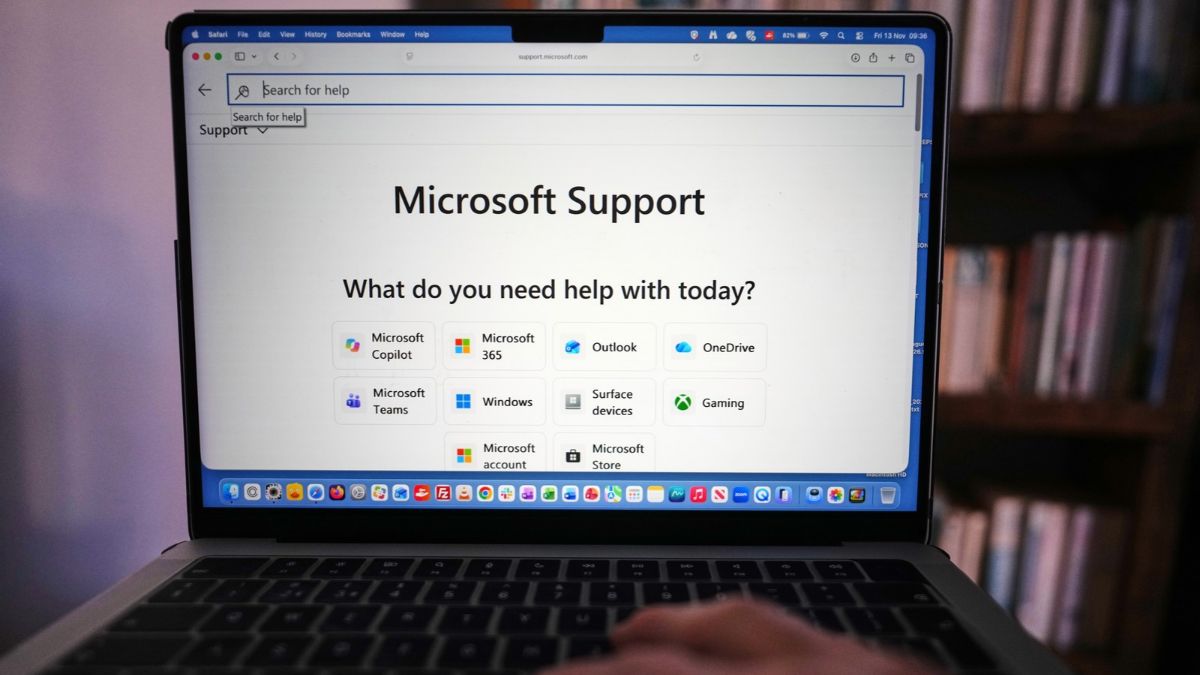
Microsoft has said it is "deeply sorry" for a global outage that disrupted its Outlook and Teams services and left users across more than 70 countries struggling to communicate. Services were broadly recovering by Friday afternoon, nearly 24 hours after problems first began, with the company reporting "encouraging progress" and email queues nearing normal levels. More than 430 million people use the affected products worldwide.
Microsoft said the problem was a technical issue introduced during a "network capacity upgrade" and ruled out cyber activity or artificial intelligence agents as the cause. The company said it was not aware of any malicious activity, and said server issues were behind the incident, which also affected its Copilot AI assistant. Organisations hosting Microsoft services on their own servers rather than in the cloud were largely spared. The outage was one of the longest in Microsoft's history and the second disruption to its services this year, following an incident in January and another in October last year.S1S2
The impact spread across institutions and sectors. By Friday, the disruption reached the Japanese government, the Philippines Supreme Court and the Australian spy agency, as well as trains, hospitals and courts in North America. In the UK, parts of the NHS, including GPs and hospitals, were affected, along with some schools and police forces, though cyber minister Liz Lloyd said the impact on critical frontline services such as 999 calls was "limited" and there was no disruption to the transport network. In Canada, the national rail network warned passengers may not receive email trip updates. In the US, House of Representatives staff told Politico the outage had set back an entire day of legislative work, and in Turkey, officials attending the COP31 climate summit in Antalya were unable to access Outlook.S1
The disruption also hit businesses directly. European exchange operator Euronext reported email problems, UK insurer Aviva activated backups for its earnings calls and Danish shipping giant Maersk warned customers of delayed updates. One company had to cancel a bond repurchase transaction. Indian airlines IndiGo, Akasa Air and Air India said their email support services were affected, and the outage disrupted fund management at Taiwanese securities firms, life insurers and investment trust companies. OpenAI and Anthropic also faced issues with Microsoft connectors.S2
For smaller businesses and individuals the effects were concrete. South African winemaker Peter Pentz said his business was brought to a "standstill" and that critical production work had been halted because the Cape West Coast winery relies on these systems for daily operations. In Staffordshire, England, a woman named Georgia said her first house purchase, which she had waited eight months to complete, faced delay because her solicitor might not be able to contact other agencies in time.S1
The incident has renewed debate about global dependence on a handful of major technology companies that supply both essential workplace software and the cloud infrastructure beneath it. Some analysts have questioned whether such outages could push customers toward rivals, given the steep costs of replacing tools so deeply embedded in daily operations. Experts described the event as a "stark reminder" of how heavily businesses and vital services rely on a small group of big tech providers.S1S2