The brief
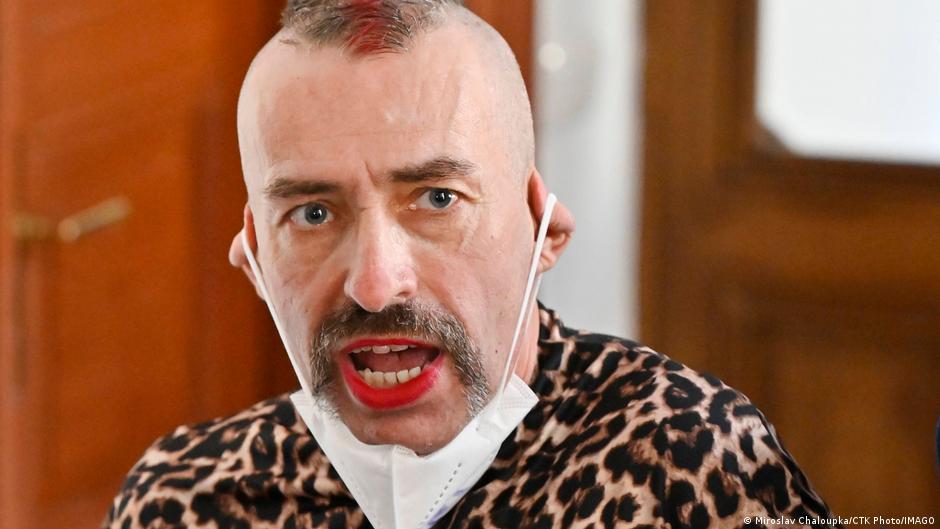
Marla Svenja Liebich, a neo-Nazi, has been moved to a men's prison in Germany following her extradition, despite her legal status as a woman.
Context
The case has raised discussions about gender identity and the implications of prison assignments based on legal gender.S1S2
Key points
- Liebich is a neo-Nazi who has been extradited back to Germany.S1S2
- She is legally registered as a woman but has been placed in a men's prison.S1S2
- The transfer has sparked debates about gender identity in the context of the criminal justice system.S1S2
- This situation highlights the complexities surrounding gender and incarceration.S1S2
- Liebich's case is not the first to raise questions about gender and prison assignments.S1S2
- The decision to place her in a men's facility has drawn criticism from various advocacy groups.S1S2
- Legal frameworks regarding gender identity in prisons vary significantly across jurisdictions.S1S2
- The case may influence future policies regarding transgender individuals in the prison system.S1S2
Why it matters
- The case illustrates ongoing tensions between legal definitions of gender and societal perceptions.S1S2
- It raises important questions about the treatment of transgender individuals in correctional facilities.S1S2
- The outcome may affect how similar cases are handled in the future.S1S2
What to watch
- Monitor reactions from human rights organizations regarding the treatment of Liebich.S1S2
- Watch for potential legal challenges related to her prison assignment.S1S2
- Observe how this case influences public discourse on gender identity and criminal justice.S1S2