The brief
China has expressed strong dissatisfaction with the UK's decision to nationalise British Steel, citing concerns over foreign investment confidence.
Context
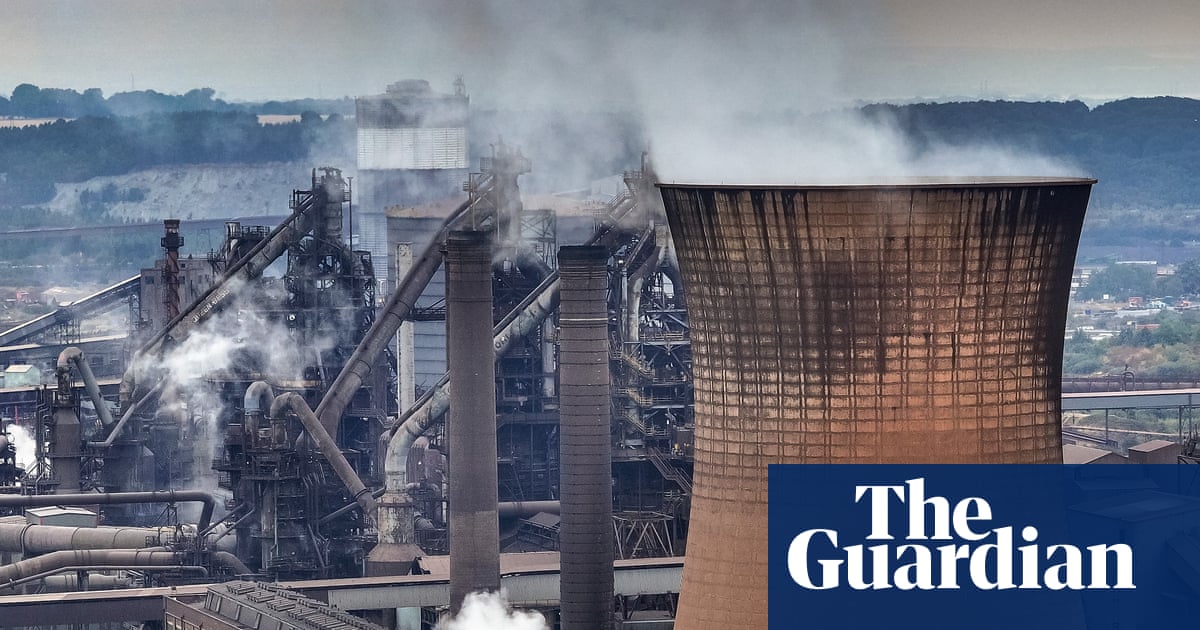
The UK government nationalised British Steel to secure the future of steel production and protect jobs, following previous interventions to prevent the closure of its Scunthorpe steelworks.S1
Key points
- The UK government announced the nationalisation of British Steel to safeguard steel production.S1
- This move comes after the UK previously intervened to prevent the closure of the Scunthorpe steelworks.S1
- China's Ministry of Commerce stated that the nationalisation has dealt a severe blow to Chinese companies' confidence in investing in the UK.S1
- The nationalisation follows fears that the former Chinese owners of British Steel would shut down operations.S2
- The decision to nationalise was made to protect approximately 4,000 jobs associated with the steelworks.S1
- China's response indicates potential implications for future foreign investments in the UK.S1
- The UK has now appropriated its last working steelworks, raising concerns about the future of the steel industry.S2
- The nationalisation reflects ongoing tensions between the UK and China regarding economic policies.S1S2
Why it matters
- The nationalisation may affect the UK's relationship with China, a significant player in global steel production.S1
- China's dissatisfaction could lead to reduced foreign investment in the UK, impacting the economy.S1
- The decision highlights the UK's strategy to maintain control over critical industries amid economic uncertainties.S2
What to watch
- Monitor China's response and any potential diplomatic actions following the nationalisation.S1
- Watch for developments in the UK steel industry and any further government interventions.S2
- Keep an eye on the impact of this decision on foreign investment trends in the UK.S1