The brief
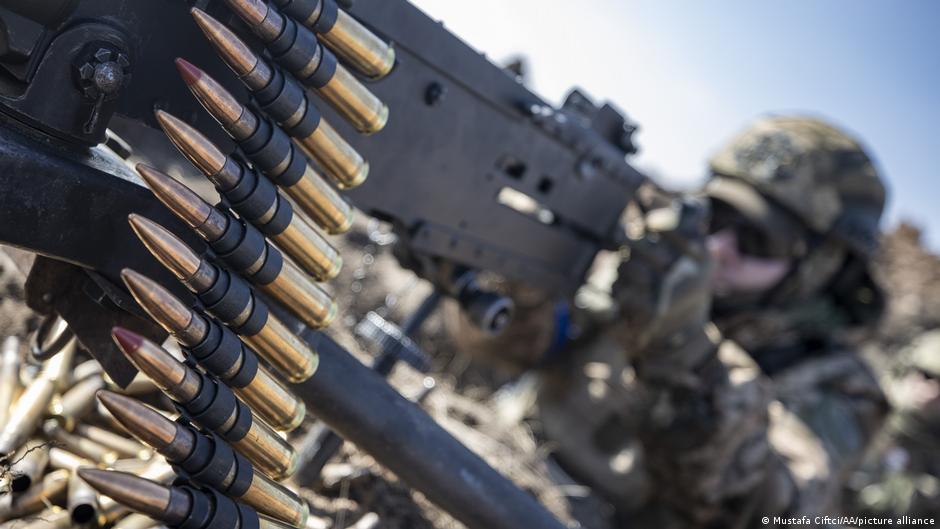
Europe has emerged as the largest importer of arms globally, surpassing Asia and the Middle East, driven by increasing fears related to Russia.
Context
This shift in arms importation patterns reflects heightened security concerns in Europe, particularly in light of geopolitical tensions with Russia.S1S2
Key points
- Global arms exports have significantly increased between 2021 and 2025.S1S2
- Europe's arms imports have surpassed those of Asia and the Middle East.S1S2
- The rise in arms imports is largely attributed to fears of Russian aggression.S1S2
- The trend indicates a growing militarization in response to security threats.S1S2
- European nations are likely to continue increasing defense spending in the coming years.S1S2
- The shift may alter global arms trade dynamics and relationships.S1S2
- Increased arms imports could lead to heightened tensions within Europe.S1S2
- The situation may prompt discussions on collective defense strategies among European nations.S1S2
Why it matters
- Understanding Europe's arms import trends is crucial for analyzing regional security dynamics.S1S2
- The increase in arms imports may influence global arms trade policies and regulations.S1S2
- This shift could impact international relations, particularly with Russia.S1S2
What to watch
- Monitor developments in European defense spending and military collaborations.S1S2
- Watch for potential responses from Russia regarding Europe's arms imports.S1S2
- Keep an eye on changes in global arms trade agreements and negotiations.S1S2