The brief
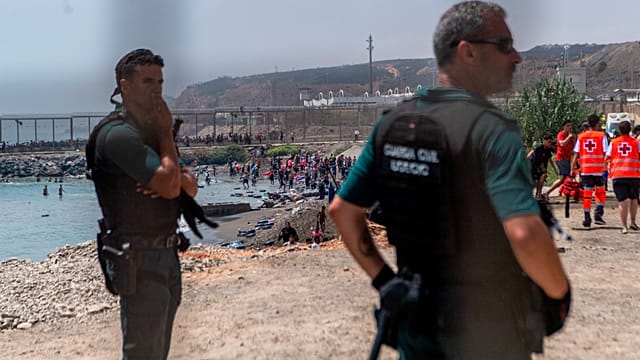
Ceuta, Spain's North African enclave, is recovering from a significant migrant influx that disrupted life for residents and migrants alike.
Context
The recent surge saw around 60,000 migrants breach the border from Morocco, leading to a humanitarian crisis and prompting a response from Spanish authorities.S1S2
Key points
- Migrants and residents reported difficulties due to the sudden influx in Ceuta.S1
- Most of the migrants who entered Ceuta have since left, according to local officials.S2
- The migrant surge resulted in at least 67 fatalities during the crossing attempts.S2
- Spain plans to construct a 500-metre-long containment barrier along the sea border.S2
- EU countries have requested emergency talks regarding the situation in Ceuta.S2
- Local authorities described the situation as 'almost' returning to normal after the crisis.S2
- The mayor of Ceuta expressed concerns about the impact on local life due to the migrant situation.S1
- The influx has raised questions about border security and humanitarian responses in the EU.S2
Why it matters
- The situation highlights ongoing challenges related to migration in Europe, particularly at external borders.S1S2
- The loss of life during the crossings underscores the dangers faced by migrants seeking safety.S2
- The proposed containment barrier reflects a shift in Spain's approach to managing migration flows.S2
What to watch
- Monitor developments regarding the construction of the new containment barrier in Ceuta.S2
- Watch for the outcomes of the EU's emergency talks on migration policy.S2
- Keep an eye on the local response and recovery efforts in Ceuta as the situation stabilizes.S1