The brief
The European Union has extended emergency assistance to Spain following a significant increase in migrant crossings into the enclave of Ceuta.
Context
The EU's migration chief expressed solidarity with Spain during an emergency meeting addressing the situation at the Ceuta border.S2
Key points
- Over 70,000 migrants crossed into Ceuta recently, prompting urgent discussions among EU leaders.S1
- Spain has attributed the surge in crossings to organized criminal groups.S2
- The EU's response includes offers of border assistance to help manage the situation.S1
- The situation in Ceuta has raised concerns about border security and migration policies within the EU.S2
- EU officials have emphasized the need for collective action to address migration challenges.S2
- Spain's government is seeking additional support from the EU to handle the influx.S1
- The emergency meeting highlighted the EU's commitment to solidarity with member states facing migration pressures.S2
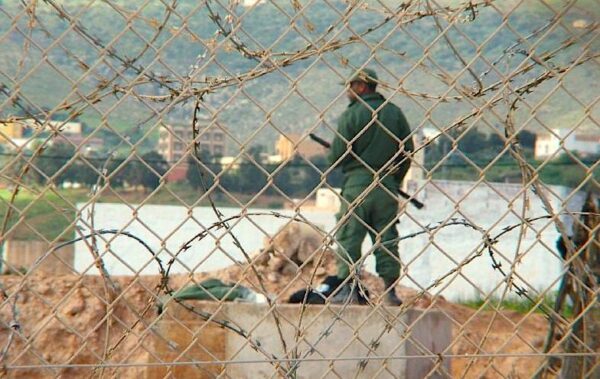
- Ceuta's geographical location makes it a focal point for migrants attempting to enter Europe.S1
Why it matters
- The situation underscores ongoing challenges related to migration management in Europe.S1
- Increased border crossings can strain resources and impact local communities in Ceuta.S2
- The EU's response may set a precedent for future migration crises within the bloc.S1
What to watch
- Monitor developments in EU-Spain negotiations regarding border assistance.S1
- Watch for potential changes in EU migration policy as a result of this crisis.S2
- Keep an eye on the actions taken by Spain against criminal organizations involved in human trafficking.S2