The brief
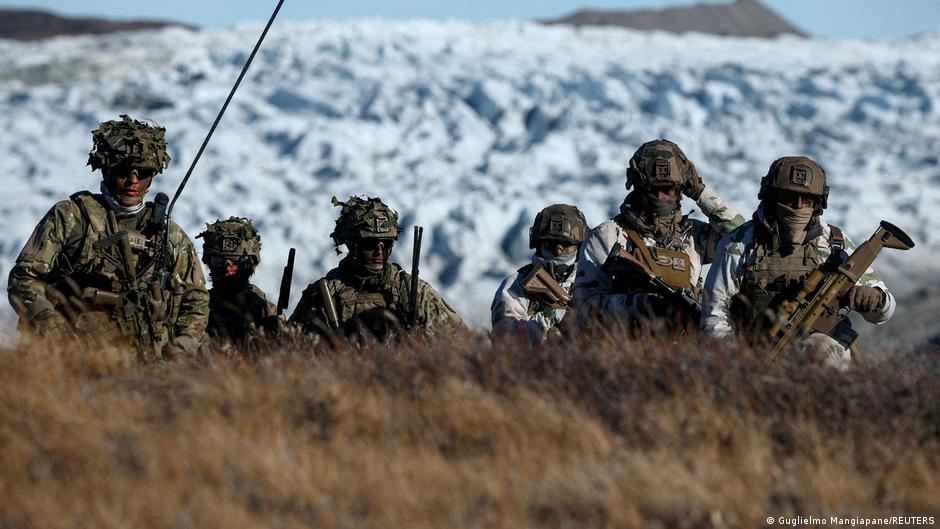
European NATO members and Canada have significantly increased their defense spending, marking a notable trend in military investment.
Context
This increase in defense spending reflects ongoing geopolitical tensions and a commitment to collective security among NATO allies.S1S2
Key points
- European NATO members and Canada raised defense spending by nearly 20% in 2025.S1S2
- This marks the second consecutive year of such an increase in defense budgets.S1S2
- Germany's defense spending reached 2.4% of its GDP, a significant rise for the country.S1S2
- The overall increase in spending indicates a shift in defense priorities among NATO countries.S1S2
- The rise in defense budgets is seen as a response to heightened security concerns in Europe.S1S2
- NATO members are focusing on enhancing military capabilities and readiness.S1S2
- The trend reflects a broader commitment to NATO's defense spending targets.S1S2
- Increased spending may lead to more joint military exercises and improved interoperability among forces.S1S2
Why it matters
- The increase in defense spending underscores the seriousness of security threats facing NATO members.S1S2
- It demonstrates a collective commitment to mutual defense and deterrence strategies.S1S2
- Higher defense budgets may lead to advancements in military technology and capabilities.S1S2
What to watch
- Monitor future NATO meetings for discussions on defense spending and military strategy.S1S2
- Watch for potential changes in military procurement and defense contracts in member countries.S1S2
- Keep an eye on geopolitical developments that may influence further increases in defense budgets.S1S2