The brief
The U.S. Senate has passed a bipartisan bill aimed at imposing sanctions on countries purchasing Russian oil, with significant implications for international trade and relations.
Context
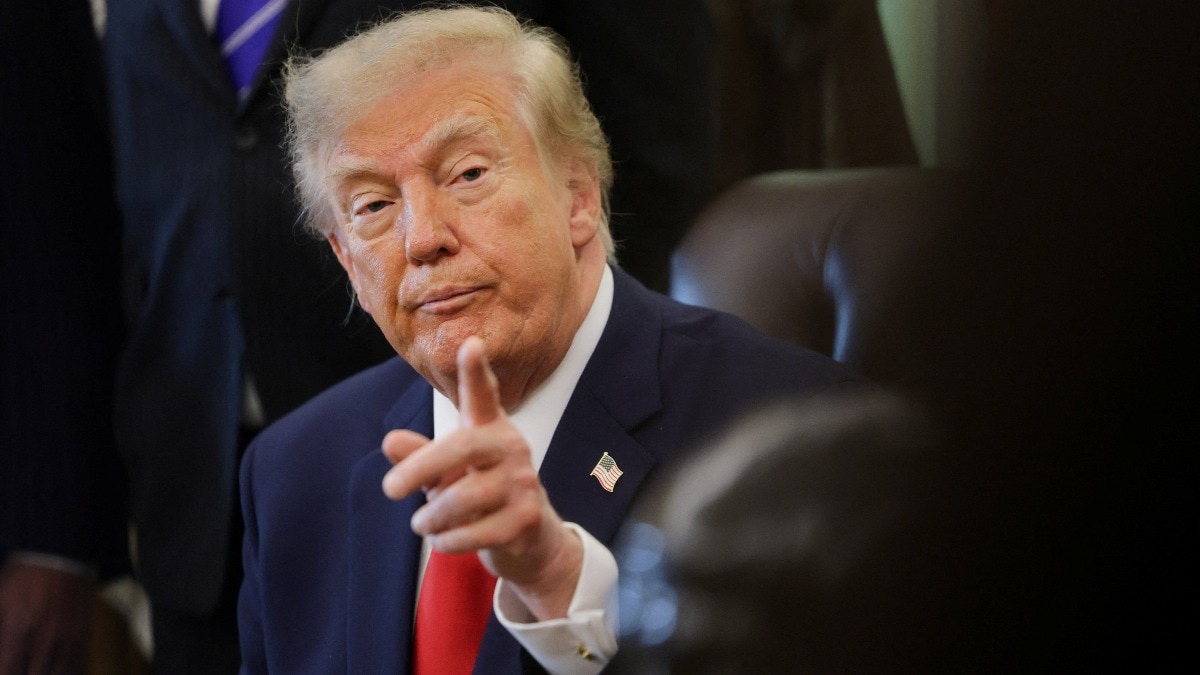
The legislation, spearheaded by Senator Lindsey Graham, received strong bipartisan support, passing with a vote of 86 to 11. It now moves to the House of Representatives for consideration.S1
Key points
- The bill grants the president authority to impose tariffs on countries buying Russian oil.S1
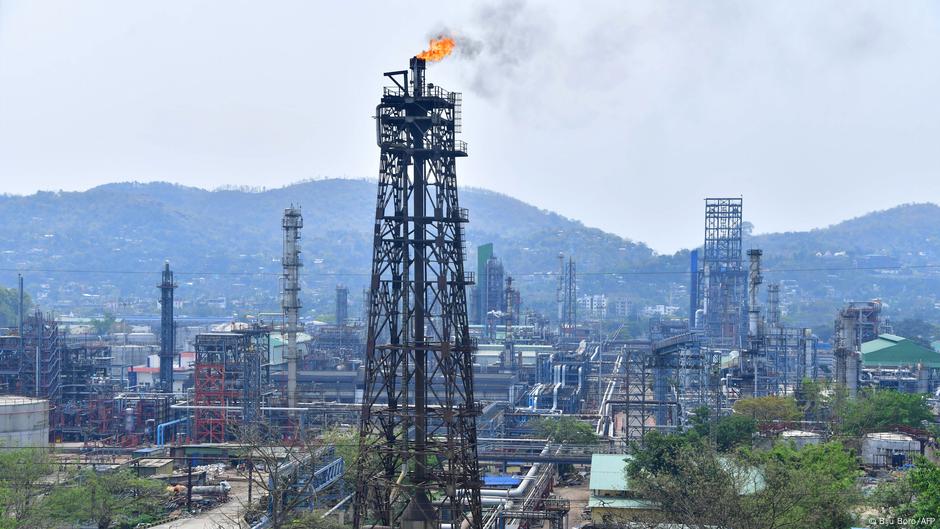
- It specifically targets countries like India and China in relation to their oil trade with Russia.S2
- Congressman Greg Landsman expressed support for the bill during discussions.S1
- The strong bipartisan vote reflects a unified stance against Russian oil purchases.S1
- The legislation is part of broader efforts to respond to geopolitical tensions involving Russia.S2
- The bill's passage indicates a significant shift in U.S. foreign policy regarding energy sanctions.S1
- The House of Representatives will now debate the bill, which could lead to further amendments.S1
- The outcome may influence U.S. relations with countries heavily reliant on Russian oil.S2
Why it matters
- The sanctions could impact global oil markets and prices, affecting economies worldwide.S2
- Targeting countries like India and China may strain U.S. relations with these nations.S2
- The bill represents a concerted effort by the U.S. to curb Russian influence through economic means.S1
What to watch
- Monitor the House of Representatives for potential changes to the bill before it is passed.S1
- Watch for reactions from India and China regarding the sanctions and their oil trade.S2
- Keep an eye on the implications for global oil prices following the bill's passage.S2