The brief
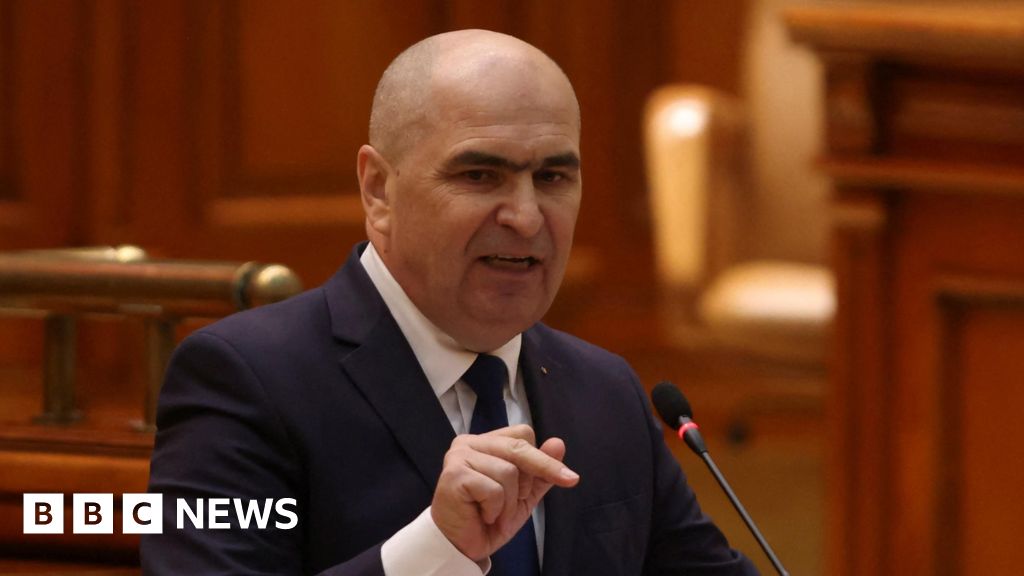
Ilie Bolojan has been ousted as Romania's Prime Minister following a no-confidence vote, marking a significant political shift in the country.
Context
Bolojan's removal comes after a coalition of the largest party and far-right opposition united against him.S1S2
Key points
- Ilie Bolojan lost the no-confidence vote due to a coalition between the largest party and far-right opposition.S1
- The vote reflects growing political tensions in Romania amid economic challenges.S2
- Bolojan's government had been attempting to implement austerity measures to address a significant budget deficit.S2
- The far-right's involvement in the vote indicates a potential shift in political alliances in Romania.S1
- This political change could impact Romania's approach to economic reforms and EU relations.S2
- The no-confidence vote highlights the fragility of coalition governments in Romania.S1
- Public sentiment may shift as economic conditions remain a pressing issue for citizens.S2
- The outcome of the vote raises questions about the future direction of Romanian politics.S1
Why it matters
- The ousting of Bolojan could lead to significant changes in Romania's economic policies.S2
- The alliance between Socialists and far-right parties may reshape the political landscape in Romania.S1
- This event underscores the challenges faced by governments in managing economic crises and public discontent.S2
What to watch
- Monitor the reactions from other political parties in Romania following Bolojan's removal.S1
- Watch for potential candidates who may emerge to lead the government after this vote.S2
- Keep an eye on public protests or support for the new political alignment in Romania.S1