🇪🇺 Europe · English
Current: 🇪🇺 Europe · English
Global
Focused
Language
Friday 31 July
🇪🇺 Europe · English
Current: 🇪🇺 Europe · English
Global
Focused
Language

Berlin's Push for a Car-Free Center

Germany
The brief

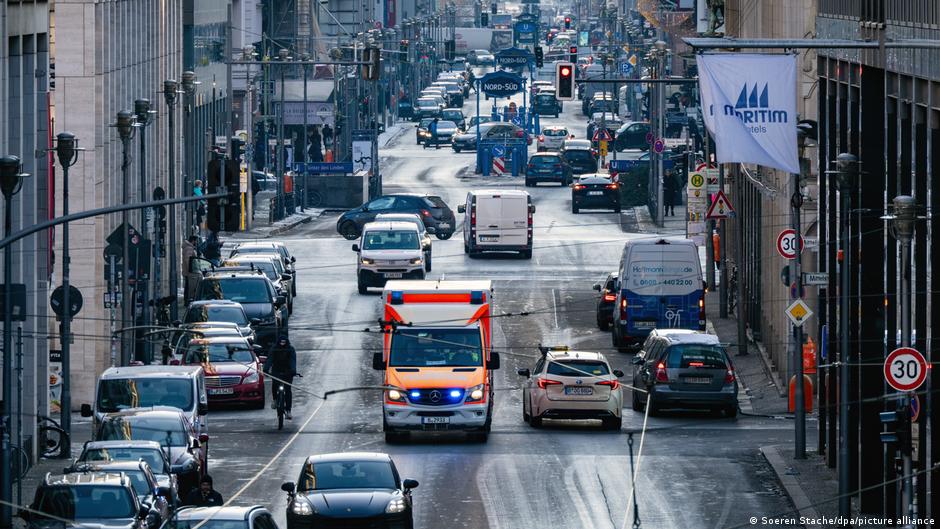
A citizen-led initiative in Berlin aims to establish a car-free zone in the city center, reflecting a growing trend in European urban planning.

Context

The campaign is part of a broader movement across Europe advocating for pedestrian-friendly urban spaces.S1S2

Key points

  • The initiative seeks to gather signatures to support the car-free proposal in Berlin.S1S2
  • Other European cities have successfully implemented car bans, leading to more pedestrian-friendly environments.S1S2
  • The campaign emphasizes the benefits of streets designed for people rather than vehicles.S1S2
  • Supporters argue that reducing car traffic can improve air quality and public health.S1S2
  • The movement reflects a shift in urban planning priorities towards sustainability and livability.S1S2
  • Similar initiatives in other cities have shown positive impacts on local economies and community engagement.S1S2
  • The campaign is gaining traction as residents express a desire for more green spaces and safer streets.S1S2
  • If successful, the initiative could set a precedent for other cities considering similar measures.S1S2
Why it matters

  • Creating car-free zones can significantly enhance urban quality of life.S1S2
  • Such initiatives can lead to reduced traffic congestion and lower emissions.S1S2
  • The campaign reflects a growing public interest in sustainable urban development.S1S2

What to watch

  • Monitor the progress of the signature collection and public response in Berlin.S1S2
  • Observe how other European cities adapt their urban planning in response to similar movements.S1S2
  • Watch for potential policy changes in Berlin that could arise from this campaign.S1S2
Timeline · newest first
2mos Deutsche Welle · 4 reports

Here's what happens when cities ban cars

A citizen-led campaign in Berlin is collecting signatures to create a car‑free center in the German capital. Other European cities show what happens when streets are built for peop…

2mos Deutsche Welle · 2 reports

What happens when cities ban cars?

A citizen-led campaign in Berlin is collecting signatures to create a car‑free center in the German capital. Other European cities show what happens when streets are built for peop…

2mos Deutsche Welle · 2 reports

Here's what happens when cities kick out cars

A citizen-led campaign in Berlin is collecting signatures to create a car‑free center in the German capital. Other European cities show what happens when streets are built for peop…

Berlin's Push for a Car-Free Center

1 outlet 8 reports
The brief

A citizen-led initiative in Berlin aims to establish a car-free zone in the city center, reflecting a growing trend in European urban planning.

Context

The campaign is part of a broader movement across Europe advocating for pedestrian-friendly urban spaces.S1S2

Key points

  • The initiative seeks to gather signatures to support the car-free proposal in Berlin.S1S2
  • Other European cities have successfully implemented car bans, leading to more pedestrian-friendly environments.S1S2
  • The campaign emphasizes the benefits of streets designed for people rather than vehicles.S1S2
  • Supporters argue that reducing car traffic can improve air quality and public health.S1S2
  • The movement reflects a shift in urban planning priorities towards sustainability and livability.S1S2
  • Similar initiatives in other cities have shown positive impacts on local economies and community engagement.S1S2
  • The campaign is gaining traction as residents express a desire for more green spaces and safer streets.S1S2
  • If successful, the initiative could set a precedent for other cities considering similar measures.S1S2

Why it matters

  • Creating car-free zones can significantly enhance urban quality of life.S1S2
  • Such initiatives can lead to reduced traffic congestion and lower emissions.S1S2
  • The campaign reflects a growing public interest in sustainable urban development.S1S2

What to watch

  • Monitor the progress of the signature collection and public response in Berlin.S1S2
  • Observe how other European cities adapt their urban planning in response to similar movements.S1S2
  • Watch for potential policy changes in Berlin that could arise from this campaign.S1S2
Timeline · newest first

Sources · 2 citations

S1S2 Deutsche Welle 8 reports · EN