🕌 MENA · English
Current: 🕌 MENA · English
Global
Language
Thursday 30 July
🕌 MENA · English
Current: 🕌 MENA · English
Global
Language
Story Iran Diplomacy Oil & Gas

Iran to Allow Indian-Flagged Tankers Through Hormuz

Diplomacy
The brief

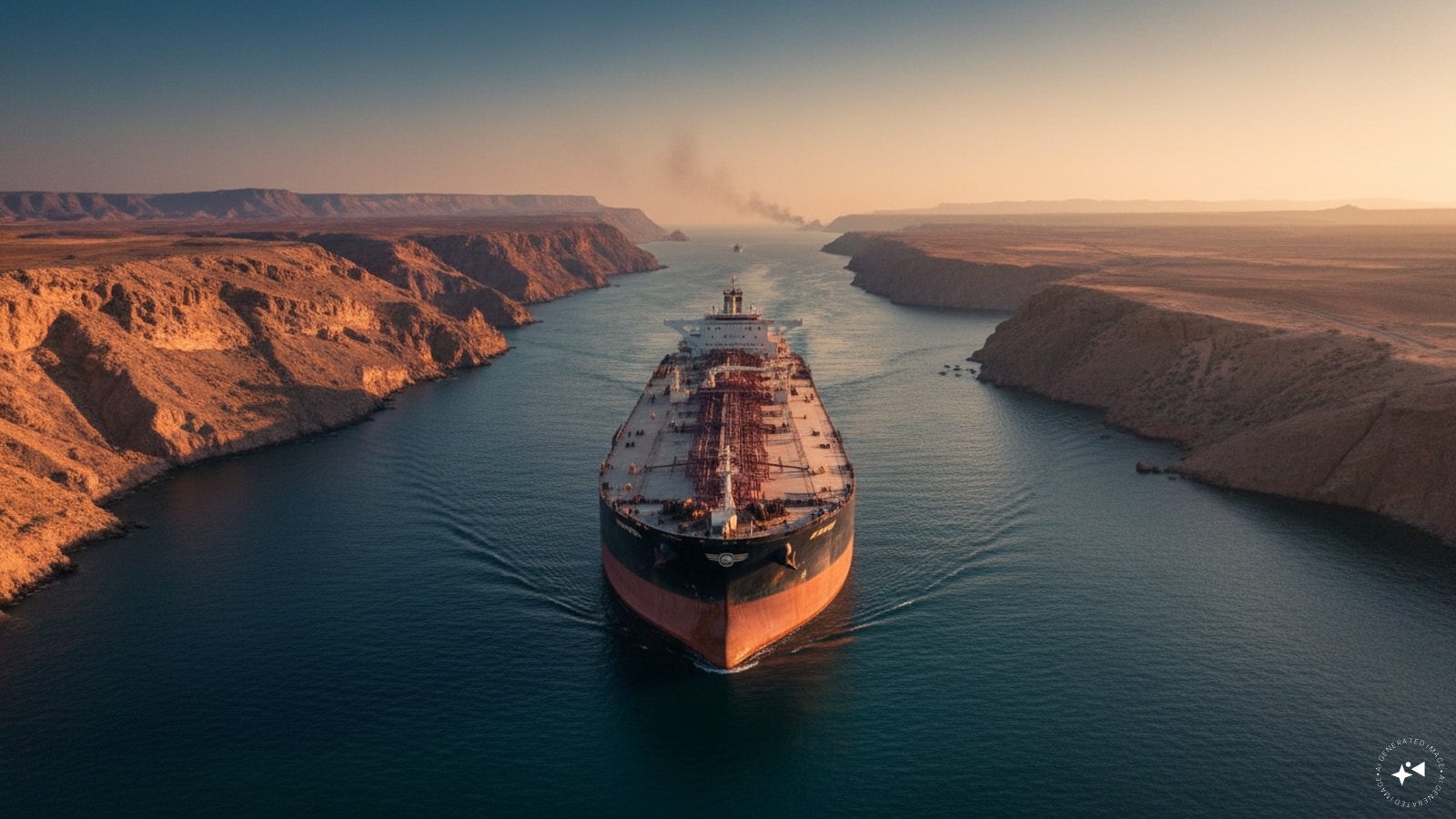
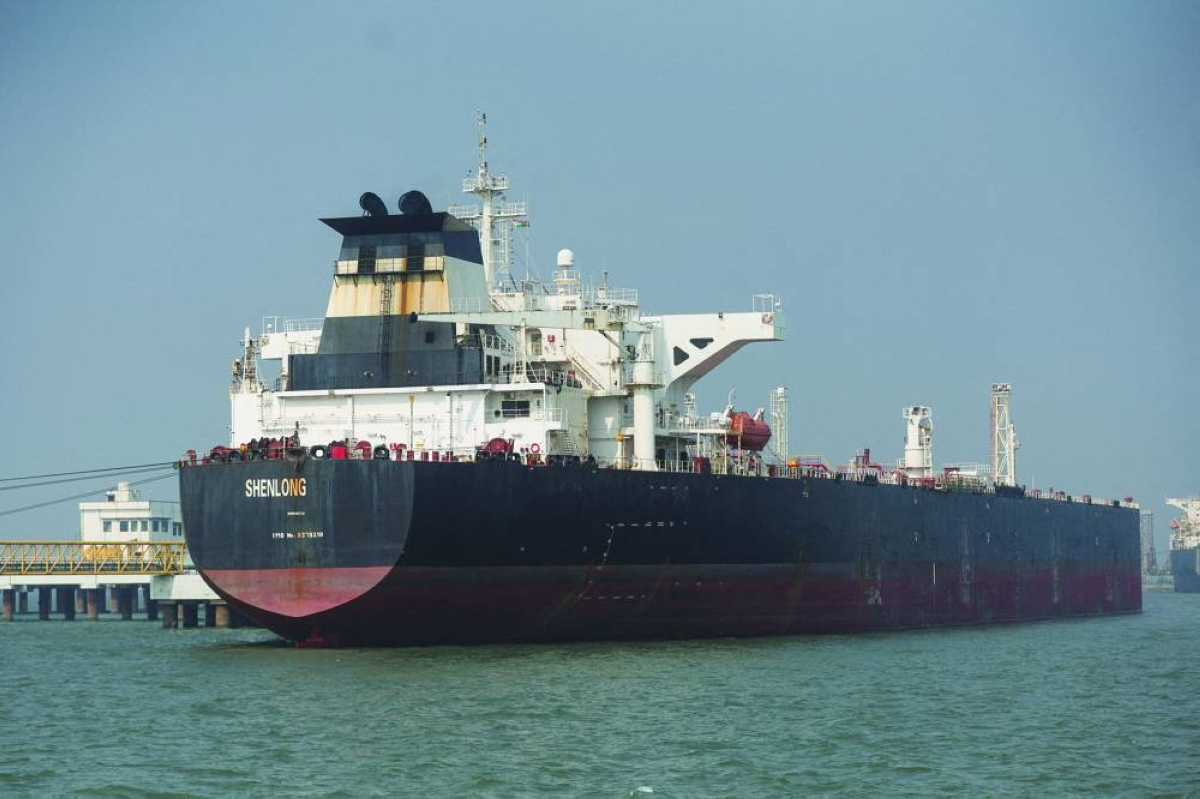
Iran has reportedly agreed to allow Indian-flagged tankers to transit the Strait of Hormuz, a critical route for oil shipments.

Context

The Strait of Hormuz is a vital waterway for global oil transport, with significant implications for energy security in South Asia.S2

Key points

  • Iran's decision comes as 28 Indian-flagged vessels are currently operating in the region.S1
  • The Strait of Hormuz is crucial for 40% of India's crude oil imports, according to an Indian government source.S2
  • The first Indian tanker has already arrived in the Strait following Iran's announcement.S2
  • 778 Indian sailors are reported to be aboard the vessels operating in the area.S1
  • This development may enhance India-Iran relations amid regional tensions.S2
  • The agreement is seen as a strategic move for India to secure its energy supply.S2
  • Iran's approval is significant given the geopolitical dynamics in the Gulf region.S2
  • The move could influence shipping routes and oil prices in the global market.S2

Why it matters

  • Securing transit through the Strait is essential for India's energy security and economic stability.S2
  • The agreement may signal a shift in Iran's maritime policies amid ongoing international sanctions.S2
  • This development could impact regional alliances and trade routes in the Gulf.S2

What to watch

  • Monitor the operational status of Indian-flagged vessels in the Strait of Hormuz.S1
  • Watch for any responses from other nations regarding Iran's decision.S2
  • Keep an eye on potential changes in oil prices following this agreement.S2
Timeline · newest first
4mos The New Arab

Iran alleged to allow India-flagged tankers through Hormuz

On Wednesday, India said 28 Indian-flagged vessels were operating west and east of the Strait with 778 Indian sailors aboard

4mos Gulf Times

Indian source says Iran to allow India-flagged tankers through Hormuz as first tanker arrives

Iran will allow Indian-flagged tankers to transit the Strait of Hormuz, a conduit for ​40% of the South Asian ‌nation's crude imports, an Indian government source said Thursday, bu…

Iran to Allow Indian-Flagged Tankers Through Hormuz

2 outlets 2 reports
The brief

Iran has reportedly agreed to allow Indian-flagged tankers to transit the Strait of Hormuz, a critical route for oil shipments.

Context

The Strait of Hormuz is a vital waterway for global oil transport, with significant implications for energy security in South Asia.S2

Key points

  • Iran's decision comes as 28 Indian-flagged vessels are currently operating in the region.S1
  • The Strait of Hormuz is crucial for 40% of India's crude oil imports, according to an Indian government source.S2
  • The first Indian tanker has already arrived in the Strait following Iran's announcement.S2
  • 778 Indian sailors are reported to be aboard the vessels operating in the area.S1
  • This development may enhance India-Iran relations amid regional tensions.S2
  • The agreement is seen as a strategic move for India to secure its energy supply.S2
  • Iran's approval is significant given the geopolitical dynamics in the Gulf region.S2
  • The move could influence shipping routes and oil prices in the global market.S2

Why it matters

  • Securing transit through the Strait is essential for India's energy security and economic stability.S2
  • The agreement may signal a shift in Iran's maritime policies amid ongoing international sanctions.S2
  • This development could impact regional alliances and trade routes in the Gulf.S2

What to watch

  • Monitor the operational status of Indian-flagged vessels in the Strait of Hormuz.S1
  • Watch for any responses from other nations regarding Iran's decision.S2
  • Keep an eye on potential changes in oil prices following this agreement.S2
Timeline · newest first

Sources · 2 citations

S1 The New Arab 1 report · EN
S2 Gulf TimesLead 1 report · EN