The brief
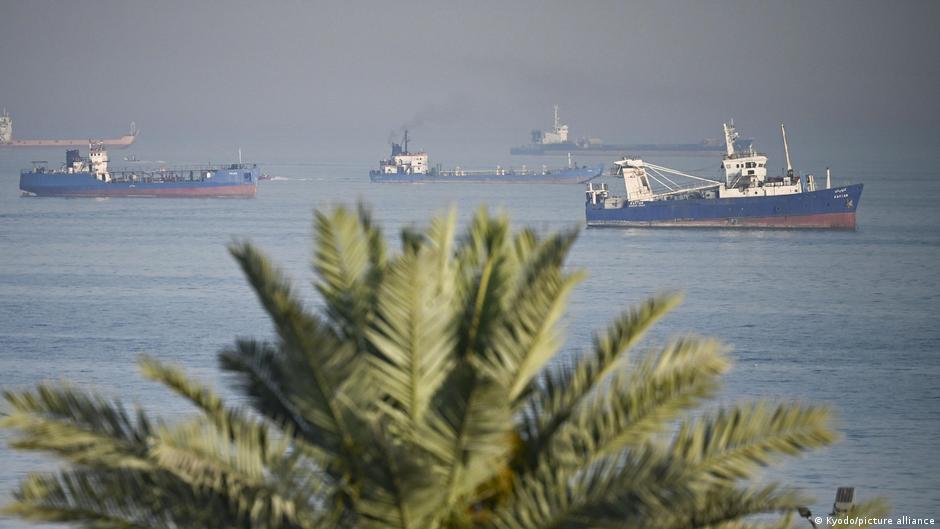
Iran has allowed Chinese-flagged vessels to transit the Strait of Hormuz, coinciding with diplomatic engagements between the U.S. and China.
Context
The Strait of Hormuz is a critical waterway for global oil shipments, and the movement of Chinese ships through this route highlights Iran's strategic partnerships amid geopolitical tensions.S1S3
Key points
- Iran's Revolutionary Guard reported that over 30 ships, including Chinese vessels, crossed the Strait of Hormuz.S1
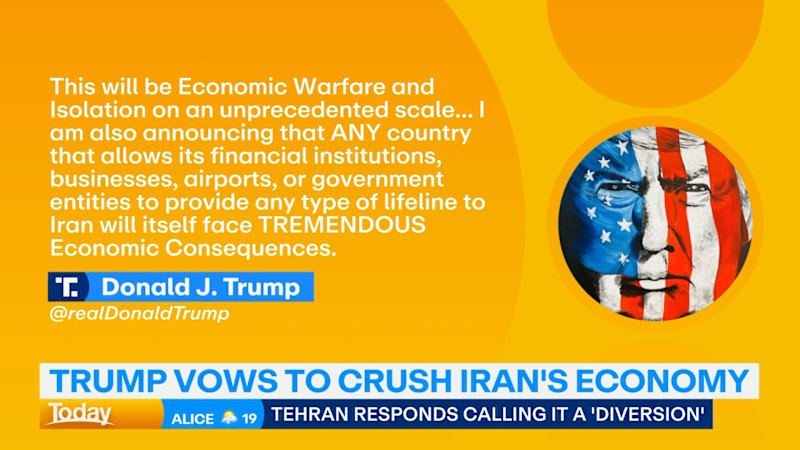
- This development occurs during a state visit by U.S. President Trump to China, where he seeks to strengthen ties against Iran.S1S4
- Iran's decision reflects its ongoing collaboration with China amid international sanctions and pressures.S3
- The passage of these vessels may indicate a shift in regional maritime dynamics.S1
- Iran's actions could be interpreted as a signal of its willingness to engage with China despite U.S. opposition.S4
- The Strait of Hormuz remains a focal point for international shipping and geopolitical strategy.S1
- The Iranian media's coverage of this event emphasizes the importance of Chinese-Iranian relations.S2
Why it matters
- The Strait of Hormuz is vital for global energy supplies, making any changes in shipping routes significant.S1
- Iran's cooperation with China may bolster its economic position amid ongoing sanctions from the U.S.S3
- This situation illustrates the complex interplay of international relations involving Iran, China, and the U.S.S4
What to watch
- Monitor further developments in U.S.-China relations, especially regarding Iran.S4
- Watch for potential responses from the U.S. regarding Iran's maritime activities.S1
- Keep an eye on how this affects shipping routes and oil prices in the region.S1