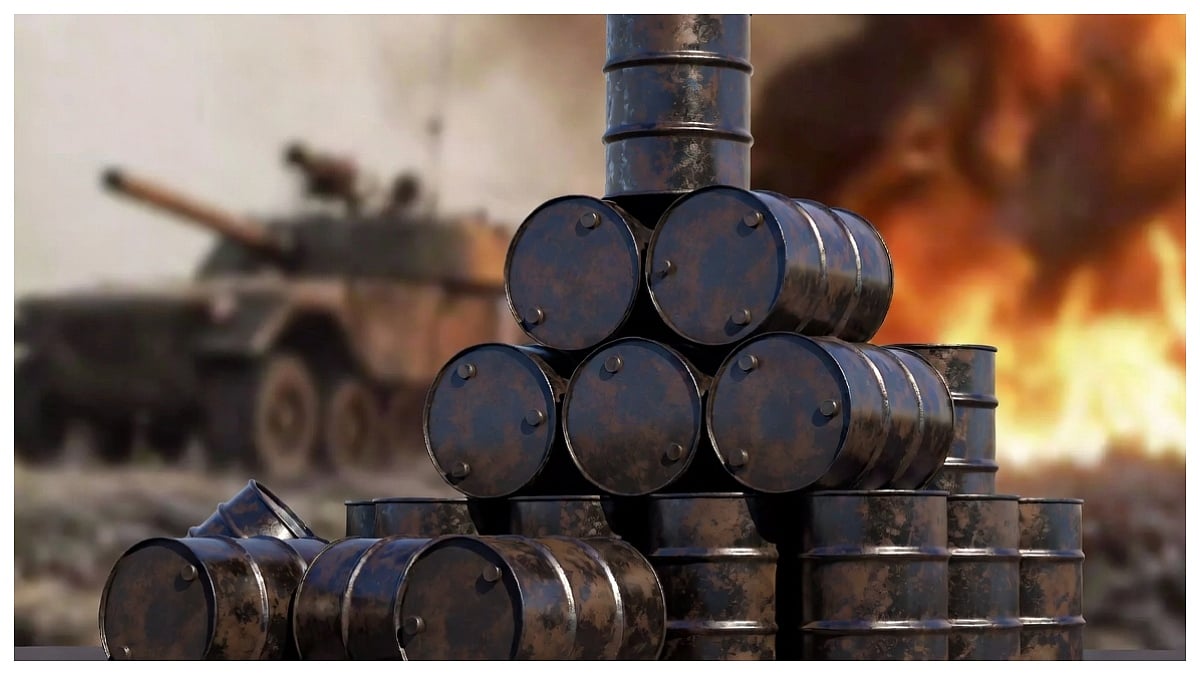
Oil prices have surged as traders grapple with escalating tensions in the Middle East, particularly concerning the Strait of Hormuz, a critical passage for global oil shipments. On Tuesday, Iran's Revolutionary Guards announced that they had successfully deployed naval mines, preventing three tankers from transiting through this vital waterway. This development has heightened fears about the stability of oil supplies from the region, prompting a significant market reaction.
As a result of these geopolitical tensions, crude oil prices have climbed above $110 per barrel. Brent crude was reported at $110.30, while West Texas Intermediate (WTI) reached $99.12, marking an increase of over 1% from the previous day. The bullish sentiment in the market has been further fueled by a recent inventory report from the U.S., which indicated a substantial draw in oil supplies, adding to the worries about potential disruptions in Middle East oil flows.S2
The ongoing situation underscores the delicate balance of oil supply and demand, as traders remain on high alert for any further developments that could impact the flow of oil from the Middle East. With the geopolitical landscape shifting rapidly, the implications for global oil prices and market stability are significant. The current price levels reflect not just immediate concerns but also a broader apprehension about future supply disruptions as tensions in the region continue to escalate.S1S2