The brief
The US Federal Reserve has decided to keep interest rates steady as inflation reaches a three-year high, influenced by rising energy prices linked to the US-Israel conflict with Iran.
Context
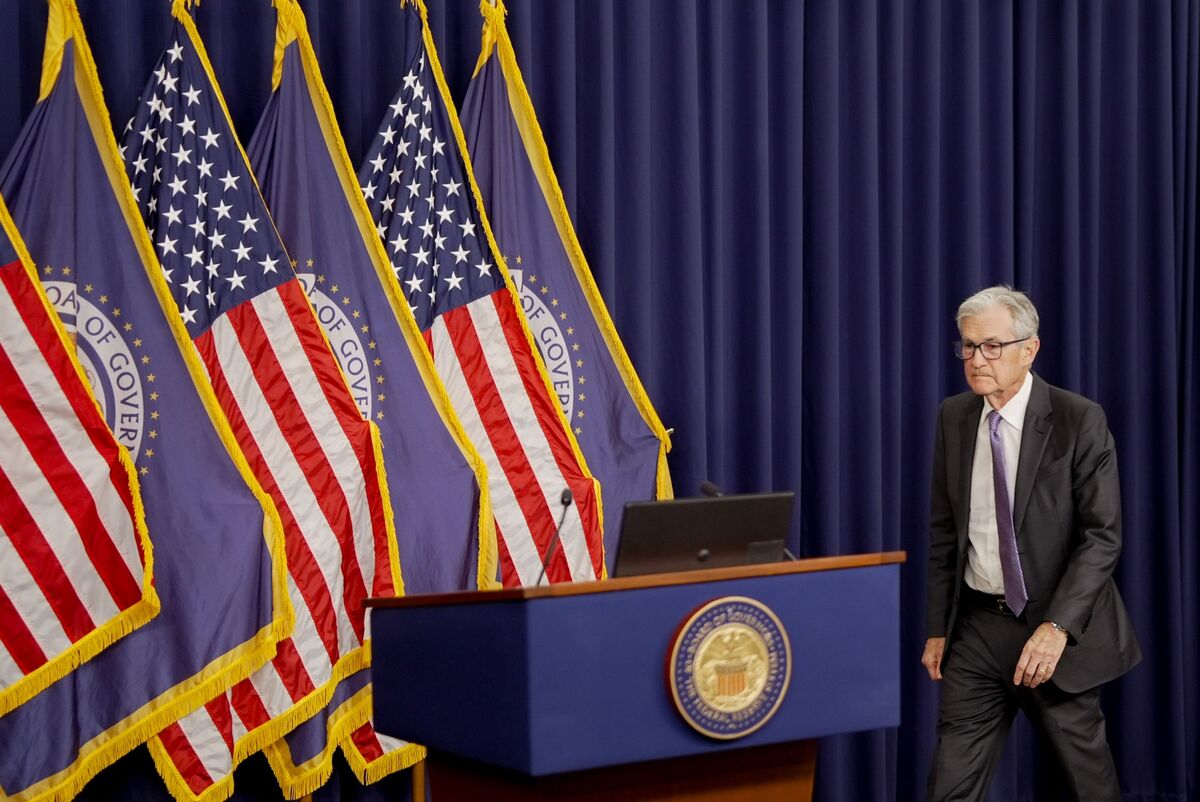
This marks the first policy meeting under new chair Kevin Warsh, who succeeded Jerome Powell.S1S2
Key points
- The Federal Reserve's interest rates remain at 3.5 to 3.75 percent.S1
- The decision to hold rates steady was unanimous among Fed officials.S1
- Heightened energy prices are a significant factor driving inflation.S1
- Inflation in the US has reached its highest level in three years.S1
- Kevin Warsh is leading the Federal Reserve for the first time after taking over from Jerome Powell.S1S2
- The Fed's decision reflects concerns about inflationary pressures on the economy.S1
- The meeting was the first two-day policy session under Warsh's leadership.S1
Why it matters
- Maintaining interest rates can influence borrowing costs and economic growth.S1
- The Fed's stance on inflation may affect market confidence and investment decisions.S2
- Rising inflation could lead to future adjustments in monetary policy.S1
What to watch
- Monitor how inflation trends evolve in response to geopolitical events.S1
- Watch for any upcoming statements from Kevin Warsh regarding future monetary policy.S2
- Keep an eye on energy prices and their impact on overall economic conditions.S1